How I Protect My Investments When Splurging on Luxury
So you’ve worked hard, saved smart, and now you’re ready to treat yourself to that designer bag, luxury watch, or high-end gadget. But here’s the real talk: splurging without a safety net can turn a dream purchase into financial stress. I’ve been there—excited, then anxious—until I learned how to enjoy luxury without risking my financial health. Let me walk you through the smarter way to buy luxuries, balancing joy and responsibility. The truth is, luxury spending doesn’t have to undermine your goals. When approached with clarity and control, it can coexist with long-term financial security. This is not about denying yourself pleasure, but about making intentional choices that protect your wealth while allowing room for reward.
The Hidden Cost of Luxury Purchases
Luxury items often carry more than just a high price tag—they come with financial and emotional consequences that many overlook. It’s easy to focus on the moment of purchase, the excitement of unboxing a new designer handbag or slipping on a limited-edition timepiece. Yet, what follows can be a wave of second-guessing, especially when the credit card bill arrives or monthly cash flow tightens. These hidden costs are not always monetary, but they are real and measurable in terms of long-term financial well-being. Emotional spending, depreciation, lifestyle inflation, and opportunity cost form the invisible burden behind many luxury buys, turning fleeting joy into lasting strain.
One of the most common pitfalls is emotional spending, where the decision to buy is driven by mood rather than logic. A stressful week at work, a personal milestone, or even social media exposure to curated lifestyles can trigger impulsive purchases. These are not inherently bad, but when repeated without reflection, they become a pattern that erodes financial discipline. The dopamine rush of acquiring something beautiful or exclusive fades quickly, but the financial obligation remains. Over time, this cycle can lead to buyer’s remorse and increased reliance on credit, especially if the purchase was not aligned with broader financial priorities.
Depreciation is another silent cost. Unlike real estate or diversified investment portfolios, most luxury goods lose value the moment they leave the store. A new handbag, for instance, may retain only 50% to 70% of its original value on the resale market, depending on brand, condition, and demand. Watches, even high-end ones, often depreciate unless they are rare or part of a limited release. This immediate loss in value means that the full price paid is not just an expense—it’s a sunk cost with limited recovery potential. Understanding this reality helps shift the mindset from “I can afford it” to “Is it worth the long-term value loss?”
Lifestyle inflation is a subtle but powerful force. Once you start incorporating luxury purchases into your routine, it becomes easier to justify the next one. A designer coat leads to matching shoes, then accessories, and eventually an entire wardrobe upgrade. This escalation can quietly stretch your budget beyond sustainable limits. What began as an occasional treat becomes an expected standard, pulling resources away from savings, retirement, or emergency funds. The danger lies not in a single purchase, but in the normalization of spending beyond your means.
Finally, there is opportunity cost—the value of what you give up by choosing one path over another. The $5,000 spent on a luxury watch could have been invested in a low-cost index fund. Over ten years, with average market returns, that amount could grow to over $10,000, assuming a 7% annual return. While the watch provides immediate enjoyment, the investment would compound silently, contributing to long-term financial independence. Recognizing this trade-off doesn’t mean luxury is frivolous, but it does require honest evaluation: are you trading future security for present pleasure, and is that trade intentional?
Why Risk Management Matters in Luxury Spending
Just as investors diversify portfolios and set stop-loss limits, smart consumers apply risk management principles to luxury spending. Without a structured approach, even affordable purchases can disrupt financial stability. Risk management in this context is not about eliminating indulgence, but about minimizing the potential fallout from discretionary spending. It’s the difference between a calculated decision and a financial gamble. When applied correctly, it transforms luxury buying from a source of anxiety into a controlled, rewarding experience.
Unchecked spending habits can quietly erode emergency funds, which are essential for unexpected life events like medical bills or job loss. Many people assume they can replenish savings later, but in reality, once funds are depleted, rebuilding them takes time and discipline. A single luxury purchase may not break the bank, but repeated withdrawals from savings without a recovery plan can leave households vulnerable. Studies show that nearly 40% of Americans would struggle to cover a $1,000 emergency, highlighting how fragile financial cushions can be. Introducing luxury spending without safeguards increases this vulnerability, especially when purchases are made on credit.
Another consequence is the delay in wealth-building. Every dollar spent on non-essential items is a dollar not saved or invested. Over time, this compounds into significant missed growth. For example, $3,000 spent annually on luxury items over 20 years represents $60,000 in outflows. If that same amount had been invested with a 6% average annual return, it could grow to over $110,000. This is not to say luxury should be avoided, but rather that each purchase should be weighed against its long-term financial impact. Risk management ensures that spending aligns with both short-term desires and long-term goals.
Increased reliance on credit is one of the most dangerous outcomes of unmanaged luxury spending. Credit cards offer convenience and rewards, but they also enable spending beyond current income. When luxury purchases are financed this way, interest charges can significantly inflate the total cost. A $4,000 watch paid off over two years at 18% APR could cost nearly $5,000 in total. This hidden interest is rarely factored into the excitement of the buy, yet it directly reduces net worth. Risk management includes setting clear boundaries: using credit only when the balance can be paid in full, avoiding installment plans with high interest, and never using credit to fund lifestyle inflation.
The goal of risk management is not restriction, but freedom. By planning ahead and setting limits, you gain control over your financial choices rather than reacting to impulses. This foresight allows for guilt-free enjoyment, knowing that your financial foundation remains intact. It shifts the narrative from “I shouldn’t buy this” to “I can buy this because I’m prepared.” This mindset fosters confidence and sustainability, turning luxury from a risk into a reward that doesn’t compromise the future.
Building Your Financial Safety Net First
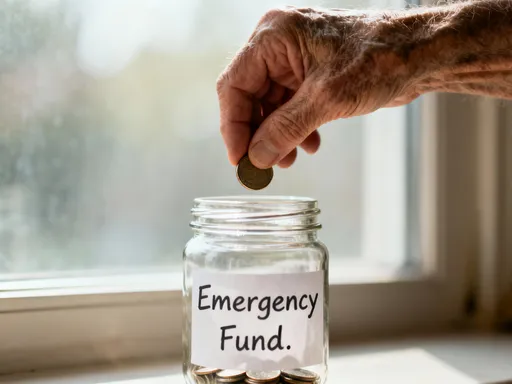
Before any luxury purchase, the foundation of financial stability must be firmly in place. This means having a fully funded emergency reserve, manageable debt levels, and clear financial goals. Without these pillars, even a seemingly affordable splurge can create ripple effects that destabilize long-term plans. The emergency fund is the first line of defense—it acts as a buffer against unexpected expenses and prevents the need to dip into investments or accumulate debt when life throws a curveball. Financial experts commonly recommend saving three to six months’ worth of living expenses in a liquid, easily accessible account. For someone with a monthly budget of $4,000, that means setting aside $12,000 to $24,000 before considering discretionary luxuries.
Debt management is equally critical. High-interest debt, such as credit card balances or personal loans, should be prioritized over luxury spending. Carrying a balance at 15% to 20% interest means that every dollar spent on a non-essential item costs significantly more in the long run. Paying down debt not only improves cash flow but also strengthens credit health, which can lead to better loan terms in the future. A household with $10,000 in credit card debt at 18% APR could save over $1,800 annually in interest by paying it off—savings that could eventually fund a luxury purchase without financial strain.
Understanding your cash flow is another essential step. This involves tracking income and expenses to determine how much is truly available for discretionary spending. A budget is not a restriction but a tool for clarity. It reveals patterns—such as recurring subscriptions or dining out habits—that may be quietly consuming funds that could otherwise be allocated toward savings or planned luxuries. By creating a realistic budget, you gain visibility into what you can afford without jeopardizing other goals. For example, if your monthly surplus is $500, allocating $100 toward a luxury fund allows for gradual saving without disrupting essential spending.
Net worth assessment provides a broader financial picture. It is the difference between what you own (assets) and what you owe (liabilities). A positive and growing net worth indicates financial progress. Before making a luxury purchase, reviewing your net worth helps determine whether the expense aligns with your overall trajectory. If your net worth has been stagnant or declining, it may signal the need to refocus on debt reduction or savings before adding new expenditures. Conversely, if your net worth is steadily increasing, a planned luxury buy can be a justified celebration of progress.
Setting clear financial goals ensures that luxury spending remains intentional. These goals might include saving for a home, funding children’s education, or building retirement savings. Each goal requires consistent contributions, and luxury purchases should not divert funds from these priorities. One effective strategy is to treat luxury spending like any other financial goal—by creating a dedicated “luxury fund” that receives regular, modest contributions. Over time, this fund grows, allowing for guilt-free purchases without disrupting other objectives. This approach turns impulse into intention, aligning indulgence with responsibility.
Smart Timing: When to Buy and When to Wait
Timing can significantly influence the financial impact of a luxury purchase. Buying at the right moment not only reduces cost but also aligns spending with income cycles and emotional readiness. One of the most effective strategies is to time purchases with windfalls such as annual bonuses, tax refunds, or work commissions. These funds are often unexpected or above regular income, making them ideal for discretionary spending. Using a $3,000 bonus to buy a luxury item feels less burdensome than charging the same amount to a credit card, even if the outflow is the same. The psychological and financial benefit lies in spending surplus rather than borrowed money.
Market conditions also play a role. Certain luxury items are subject to supply and demand fluctuations. For example, designer handbags may be easier to find at discounted prices during off-seasons or holiday clearance events. Similarly, high-end electronics often see price drops after new models are released. Waiting a few months after a product launch can result in savings of 10% to 20%. Even luxury watches, typically seen as stable in value, can be purchased more affordably through authorized dealers during promotional periods or at international locations with lower taxes.
Emotional timing is just as important as financial timing. Making a purchase during periods of stress, grief, or major life transitions—such as a job change, divorce, or relocation—can lead to regret. These moments often trigger emotional spending as a way to regain control or seek comfort. However, decisions made under emotional pressure are rarely optimal. Implementing a waiting period—such as 30 or 90 days—can help distinguish between a passing whim and a genuine desire. This practice, known as delayed gratification, strengthens financial discipline and reduces impulsive behavior.
Aligning purchases with personal milestones can add meaning and reduce regret. Buying a luxury watch to commemorate a career achievement or a significant anniversary transforms the item from a mere object into a symbol of progress. This narrative connection enhances emotional satisfaction and justifies the expense as part of a broader life story. It also encourages more thoughtful selection, as the item must reflect the importance of the occasion.
Waiting is not deprivation—it is strategy. It allows time to research, compare options, and ensure authenticity. It also provides space to confirm that the purchase fits within the larger financial plan. By mastering the art of timing, you turn luxury spending into a deliberate act rather than a reaction, ensuring that every dollar spent brings lasting value and minimal risk.
Preserving Value: Choosing Items That Hold or Appreciate
Not all luxury items are created equal when it comes to value retention. While most depreciate, certain categories have the potential to hold or even increase in value over time. Identifying these items requires research, patience, and an understanding of market dynamics. For example, rare watches from brands like Rolex, Patek Philippe, or Audemars Piguet often appreciate due to limited production and strong collector demand. Similarly, limited-edition sneakers from collaborations between Nike and知名 designers have seen resale values multiply several times over. Fine art, vintage jewelry, and classic cars also fall into this category, though they require specialized knowledge and maintenance.
Research is the first step in selecting value-preserving luxuries. Online marketplaces like StockX, Chrono24, and Heritage Auctions provide historical pricing data that can help assess trends. A watch that consistently sells above retail price on the secondary market is a strong indicator of appreciation potential. Authenticity verification is crucial—counterfeit goods flood the luxury resale market, and even slight discrepancies in serial numbers or materials can drastically reduce value. Purchasing from authorized dealers or reputable resellers with certification ensures legitimacy.
Condition maintenance plays a vital role in preserving value. An item that is well-cared for—stored properly, serviced regularly, and used minimally—will command a higher resale price. For watches, keeping original boxes, papers, and service records adds provenance and trust. Handbags should be stored with dust bags and stuffing to maintain shape. Electronics benefit from software updates and clean charging cycles. These small habits extend lifespan and enhance resale appeal.
Diversification within luxury spending can also reduce risk. Instead of putting all discretionary funds into one high-ticket item, consider allocating across different categories—some for enjoyment, others for potential appreciation. This mirrors investment portfolio strategy, where risk is balanced across asset types. A portion of the luxury budget might go toward a wearable item for daily use, while another portion is reserved for a collectible with long-term value potential. This approach ensures both immediate satisfaction and future financial flexibility.
Insurance, Resale, and Exit Strategies
Treating luxury purchases like mini-investments means planning for their eventual exit. Insurance is a critical component, especially for high-value items. Homeowners or renters insurance may offer limited coverage for personal property, but luxury items often require scheduled personal property endorsements or standalone policies. These provide comprehensive protection against theft, loss, or damage, often without deductibles. For a $10,000 watch, paying $100 to $200 annually for insurance is a small price for peace of mind.
Understanding return policies is another essential step. Some luxury retailers offer limited return windows, especially for final sale items. Others may provide store credit instead of refunds. Knowing these terms before purchase prevents surprises and allows for informed decisions. It also encourages more deliberate buying, as the option to return is not guaranteed.
Resale platforms like Rebag, Fashionphile, and WatchBox offer trusted avenues for selling pre-owned luxury goods. These companies authenticate items, handle shipping, and provide competitive pricing based on market demand. Using such platforms increases confidence and reduces the risk of fraud. Setting a target resale price in advance helps determine whether the initial purchase was financially sound. If an item is expected to retain at least 70% of its value after a year, it may be a smarter buy than one that depreciates faster.
“Test drives” through renting or borrowing can also inform purchase decisions. Services that offer short-term luxury rentals allow you to experience an item before committing. Wearing a designer watch for a week or carrying a high-end bag on vacation reveals whether it fits your lifestyle and brings lasting joy. This practice reduces the likelihood of buyer’s remorse and ensures that purchases are based on real experience, not just aspiration.
Balancing Pleasure and Prudence for Lasting Freedom
True luxury is not measured by price, but by peace of mind. It is the ability to enjoy something beautiful without anxiety about the consequences. This balance comes from viewing spending as a conscious choice, not a compulsion. It means celebrating milestones with intention, knowing that your financial foundation remains strong. Financial confidence is not built by how much you earn or spend, but by how well you protect your future while honoring the present.
Conscious consumption encourages gratitude and mindfulness. Instead of chasing the next trend, it invites reflection on what truly brings joy. A single, well-chosen item that is loved and used frequently is more valuable than a closet full of rarely worn pieces. This mindset shift transforms luxury from a status symbol into a personal reward, aligned with values and goals.
Lasting freedom comes from discipline, not denial. By applying risk management, building safety nets, and planning exits, you create a framework where indulgence and responsibility coexist. You gain the power to say yes—without fear—because you’ve already said no to financial recklessness. In this space, luxury becomes not a risk, but a reward earned through wisdom, patience, and care.