Hair SOS: What I Wish I Knew Before Losing My Shine
We’ve all been there—staring in the mirror, wondering why our hair’s glow is fading. Thin strands, dryness, or sudden shedding can be confusing and stressful. But here’s the truth: most hair issues aren’t sudden. They’re the result of daily habits we overlook. From what we wash with to how we style, small choices add up. This isn’t about quick fixes—it’s about smart prevention. Let’s uncover the real reasons behind hair damage and how to protect your strands before problems start.
The Hidden Triggers: What’s Really Damaging Your Hair
Hair concerns often appear gradually, making it difficult to pinpoint the cause. Many believe that genetics alone dictate hair quality, but while DNA plays a role, environmental and behavioral factors are equally influential. The misconception that hair damage is inevitable or solely inherited prevents people from making meaningful changes. In reality, daily routines—some seemingly harmless—can silently degrade hair strength and scalp health over time. Understanding these hidden triggers is the first step toward lasting protection.
One of the most common culprits is overwashing. While cleanliness is important, washing hair too frequently strips the scalp of its natural oils, leading to dryness and irritation. This can trigger an overproduction of sebum as the scalp tries to compensate, creating a cycle of imbalance. Additionally, many reach for shampoos with strong detergents that further disrupt the scalp’s pH, weakening the hair shaft and increasing breakage. For those with curly or coarser textures, this effect can be even more pronounced, as these hair types are naturally less oily and more prone to moisture loss.
Heat styling tools are another major contributor to long-term damage. Flat irons, curling wands, and blow dryers expose hair to temperatures that can exceed 400°F, far beyond what the keratin structure can safely endure. Repeated exposure leads to protein degradation, cuticle lifting, and increased porosity. Once the protective outer layer of the hair is compromised, moisture escapes easily, leaving strands brittle and dull. Even occasional use, without proper heat protection, can accumulate damage over months and years.
Tight hairstyles, such as high ponytails, buns, or braids, may look polished but can cause significant mechanical stress. Traction from constant pulling weakens hair follicles and may lead to a condition known as traction alopecia, especially along the hairline. This type of hair loss is preventable but can become permanent if the behavior continues unchecked. Similarly, rough towel-drying, aggressive brushing, and using the wrong tools contribute to split ends and breakage, particularly when hair is wet and most vulnerable.
Environmental factors also play a silent yet powerful role. Ultraviolet (UV) radiation from the sun can damage the hair’s protein structure, leading to color fading, dryness, and reduced elasticity. Pollution, including airborne particles and heavy metals, settles on the scalp and hair, clogging follicles and promoting oxidative stress. Hard water, rich in minerals like calcium and magnesium, leaves a residue that makes hair feel rough, look dull, and resist lathering with shampoo. These elements may seem minor individually, but their cumulative impact is undeniable. Addressing them requires awareness and small, consistent adjustments to daily habits.
Your Scalp is Ground Zero: Why Health Starts Below the Surface
The scalp is more than just the base of your hair—it’s a living, breathing ecosystem that directly influences hair quality and growth. Think of it as the soil in which your hair grows. Just as plants thrive in nutrient-rich, well-balanced soil, hair flourishes on a clean, healthy scalp. When the scalp is compromised, the entire hair growth cycle can be disrupted, leading to thinning, shedding, and slower regrowth. Recognizing the scalp as the foundation of hair health shifts the focus from surface-level treatments to deeper, more sustainable care.
Each hair follicle is rooted in the scalp, drawing nutrients and oxygen from surrounding blood vessels. If the scalp is inflamed, clogged, or imbalanced, follicles receive less support, weakening new growth before it even emerges. Common signs of an unhealthy scalp include persistent flakiness, which may be mistaken for dandruff but could indicate seborrheic dermatitis or psoriasis. Itchiness, redness, and tenderness are also warning signals. In some cases, product buildup or excess oil can block pores, creating an environment where bacteria or fungi thrive, potentially leading to conditions like folliculitis.
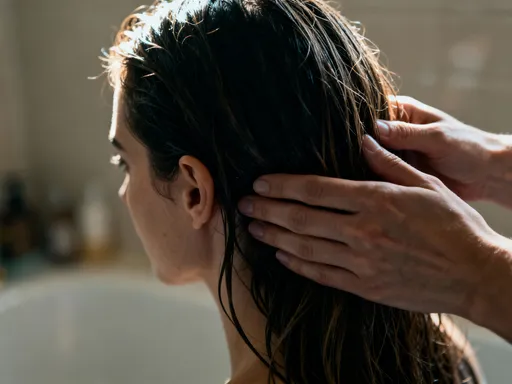
Maintaining scalp hygiene doesn’t mean scrubbing aggressively. In fact, over-cleansing can do more harm than good by stripping away natural oils and disrupting the skin’s protective barrier. A gentle, balanced routine is key. Using a mild, sulfate-free cleanser two to three times a week is often sufficient for most hair types. For those with oily scalps, daily rinsing with water may be enough, reserving shampoo for every other day. Massaging the scalp during washing stimulates circulation, which supports follicle health and encourages natural oil distribution.
Exfoliation, when done correctly, can also be beneficial. Scalp scrubs or brushes with soft bristles help remove dead skin cells and buildup without causing micro-tears. However, over-exfoliating or using harsh tools can lead to irritation and inflammation. For individuals with sensitive skin or existing conditions, consulting a dermatologist before introducing new products is advisable. Additionally, avoiding heavy oils or waxes that coat the scalp is important, as these can suffocate follicles and hinder growth.
Hydration is another critical factor. A dry scalp can become flaky and itchy, while an overly oily one may feel greasy and clog pores. The goal is balance—maintaining the scalp’s natural moisture barrier. Ingredients like niacinamide, tea tree oil, and hyaluronic acid are known for their soothing and regulating properties, though individual responses vary. Ultimately, a healthy scalp creates the optimal environment for strong, resilient hair. By prioritizing scalp care, you address hair concerns at their source rather than treating symptoms after they appear.
The Product Trap: How “Beauty” Labels Lie to You
The hair care aisle is filled with promises: “repair damaged strands,” “add instant volume,” “restore shine in one wash.” These claims are designed to attract attention, but they often mask the reality of what’s inside the bottle. Marketing language like “natural,” “organic,” or “clinically proven” can be misleading, creating a false sense of safety and efficacy. Many consumers assume that if a product is on the shelf, it must be beneficial. However, the truth is that labeling regulations in the beauty industry are not as strict as one might expect, allowing brands to use vague or unverified terms.
Take the word “natural,” for example. While it evokes images of pure, plant-based ingredients, there is no standardized definition in cosmetics regulation. A product can contain a single natural extract and still be labeled as “natural,” even if the rest of the formula is synthetic. Similarly, “paraben-free” or “sulfate-free” labels are often used as marketing tools, implying safety without necessarily improving performance. In some cases, alternative preservatives or cleansers may be just as irritating, if not more so, depending on individual sensitivity.
Some ingredients commonly found in hair products can do more harm than good. Sulfates, such as sodium lauryl sulfate (SLS), are powerful detergents that create a rich lather but can strip the scalp of essential oils, leading to dryness and irritation. Silicones, often listed as dimethicone or cyclomethicone, coat the hair to create a smooth, shiny appearance. While this effect is immediate, long-term use can result in buildup, making hair feel heavy and preventing moisture absorption. When not properly removed, silicones can dull hair over time and require clarifying shampoos to strip away.
Alcohols are another category to approach with caution. While some fatty alcohols like cetyl or stearyl alcohol are moisturizing, others—particularly short-chain alcohols like ethanol or denatured alcohol—can be extremely drying, especially in leave-in products or sprays. Synthetic fragrances, often listed simply as “fragrance,” are among the most common allergens in personal care products and can trigger scalp sensitivity or allergic reactions. These ingredients may not affect everyone, but repeated exposure increases the risk of adverse responses.
Frequent switching of hair products can also destabilize the scalp and hair’s natural balance. The scalp has a slightly acidic pH, typically between 4.5 and 5.5, which helps protect against bacteria and maintain the integrity of the hair cuticle. Introducing multiple new products with varying pH levels and ingredient profiles can disrupt this balance, leading to increased dryness, frizz, or oiliness. Instead of chasing the latest trend, a more effective approach is consistency—finding a routine that works and sticking with it.
Reading labels is one of the best ways to make informed choices. Look for products with transparent ingredient lists, where active components are clearly listed and prioritized. Ingredients are listed in descending order by concentration, so those at the beginning of the list have the most impact. Opt for formulas with proven, science-backed ingredients like ceramides, panthenol, or amino acids, which support hair strength and moisture retention. When in doubt, consulting a dermatologist or trichologist can provide personalized guidance based on your hair and scalp type.
Styling Habits That Backfire: From Blow-Drying to Braids
Styling is often seen as a way to enhance beauty, but many common practices unintentionally compromise hair health. The pursuit of sleek, voluminous, or perfectly curled hair can come at a cost—one that accumulates over time. Heat tools, in particular, are among the most damaging culprits. Blow dryers, flat irons, and curling irons subject hair to extreme temperatures that degrade the keratin proteins responsible for strength and elasticity. Even at lower settings, repeated use weakens the hair’s internal structure, leading to brittleness, split ends, and increased breakage.
The damage begins at the cuticle, the outermost layer of the hair shaft. High heat causes the cuticle to lift or crack, exposing the cortex underneath. Once this protective barrier is compromised, moisture escapes more easily, and the hair becomes more porous and prone to frizz. Over time, this leads to a dull, lifeless appearance. While heat protectants can reduce some of this damage by forming a shield around the hair, they do not make heat styling completely safe. The most effective strategy is to limit heat use and allow hair to air dry whenever possible.
Mechanical stress is another major factor in hair damage. Wet hair is especially vulnerable because water causes the hair shaft to swell, making it more elastic and fragile. Brushing or combing wet hair, especially with a fine-toothed brush, can lead to significant breakage. Using a wide-tooth comb and starting from the ends, working upward gently, minimizes tension. Similarly, rough towel drying with a regular cotton towel can create friction that lifts the cuticle. Switching to a microfiber towel or a soft cotton T-shirt reduces friction and helps preserve the hair’s smooth surface.
Tight hairstyles, while convenient, place constant tension on the hair follicles. High ponytails, buns, cornrows, and tight braids may be stylish, but they pull on the roots, leading to weakened follicles over time. This condition, known as traction alopecia, often starts with small patches of thinning along the hairline or part line. If the behavior continues, the damage can become irreversible. Opting for looser styles, using fabric-covered hair ties, and varying parting patterns can reduce strain and allow follicles to recover.
Even seemingly harmless accessories can contribute to damage. Elastic bands with metal clasps can snag and snap strands, while metal clips may cause kinks and breakage. Scrunchies made from silk or satin are gentler alternatives that hold hair securely without pulling. Sleeping with hair loose or in a loose braid on a silk pillowcase also reduces friction and prevents tangles overnight. These small adjustments may seem minor, but they play a significant role in preserving hair integrity over time.
Low-manipulation hairstyles—those that require minimal touching, brushing, or styling—are increasingly recognized for their protective benefits. Styles like loose buns, twists, or protective updos keep hair tucked away while minimizing stress. These approaches are especially beneficial for those with curly, coily, or textured hair, which tends to be more fragile and prone to dryness. The goal is not to eliminate styling altogether, but to make smarter, more sustainable choices that prioritize long-term health over short-term perfection.
Nutrition’s Silent Role: Can Your Diet Really Save Your Hair?
While topical care is important, what you eat plays a fundamental role in hair health. Hair is made primarily of keratin, a protein that requires a steady supply of amino acids to form. Without adequate nutrition, the body prioritizes vital organs over hair growth, leading to weaker strands, slower regrowth, and increased shedding. Though no single food can instantly reverse damage, a balanced diet rich in essential nutrients creates the internal environment needed for strong, resilient hair.
Several key nutrients are consistently linked to healthy hair. Protein is the most critical, as it provides the building blocks for keratin production. A diet low in protein can lead to thinning and brittle hair, especially if intake is insufficient over time. Good sources include lean meats, fish, eggs, dairy, legumes, and plant-based proteins like tofu and quinoa. Biotin, a B-vitamin found in eggs, nuts, and whole grains, supports keratin infrastructure and is often associated with hair strength, though deficiency is rare in healthy individuals.
Iron is another essential nutrient, particularly for women. Iron deficiency, especially when it progresses to anemia, is a well-documented cause of hair loss. The body needs iron to produce hemoglobin, which carries oxygen to hair follicles. Without sufficient oxygen, follicles become weak and may enter a resting phase prematurely. Foods rich in iron include red meat, spinach, lentils, and fortified cereals. Pairing iron-rich plant foods with vitamin C sources, like citrus or bell peppers, enhances absorption.
Zinc plays a role in hair tissue growth and repair. It also helps regulate oil production in the scalp. Both deficiency and excess zinc can contribute to hair loss, so balance is key. Oysters, pumpkin seeds, beef, and chickpeas are excellent dietary sources. Omega-3 fatty acids, found in fatty fish like salmon, flaxseeds, and walnuts, support scalp health by reducing inflammation and nourishing follicles. These fats also contribute to hair shine and elasticity.
While supplements are widely marketed for hair growth, they are not a substitute for a balanced diet. In fact, taking high doses of certain vitamins—like selenium or vitamin A—can actually trigger hair loss. Supplements should only be used under medical supervision, especially if a deficiency is suspected. For most people, focusing on whole, nutrient-dense foods is a safer and more effective approach. Eating a variety of colorful vegetables, fruits, whole grains, and lean proteins ensures a broad spectrum of vitamins and minerals that support overall health, including hair.
Hydration is also a silent player in hair quality. Water makes up a significant portion of the hair shaft, and chronic dehydration can lead to dryness and brittleness. Drinking adequate water throughout the day supports cellular function, including the cells responsible for hair growth. While the exact amount varies by individual, consistent fluid intake is a simple yet powerful way to support hair from within.
When Lifestyle Meets Hair Health: Sleep, Stress, and Hormones
Hair health is deeply connected to overall well-being, and lifestyle factors like sleep, stress, and hormonal balance play a profound role. The body operates on cycles, and disruptions to these rhythms can directly impact the hair growth cycle. One of the most significant yet overlooked influences is chronic stress. When the body is under prolonged stress, it releases cortisol, a hormone that, in excess, can push hair follicles into a resting phase called telogen. This leads to increased shedding, often noticed months after the initial stressor—a phenomenon known as telogen effluvium.
Sleep is equally important. During deep sleep, the body undergoes cellular repair and regeneration, including in the hair follicles. Growth hormone is released, and blood flow to the scalp increases, supporting nourishment and renewal. Poor sleep quality or insufficient rest can impair these processes, leading to slower growth and weaker strands. Establishing a consistent sleep routine, limiting screen time before bed, and creating a restful environment can improve both sleep and hair health over time.
Hormonal changes are another major factor, particularly for women. Events such as pregnancy, childbirth, and menopause trigger shifts in estrogen, progesterone, and androgen levels, all of which influence hair growth. Postpartum hair loss, for example, is common as hormone levels drop after delivery, causing a large number of hairs to enter the shedding phase simultaneously. While this can be alarming, it is usually temporary and resolves within several months. Similarly, aging naturally slows hair growth and may lead to finer, sparser strands.
Thyroid function also plays a critical role. Both hypothyroidism and hyperthyroidism can disrupt the hair cycle, leading to thinning and dryness. If hair changes are sudden or severe, it’s important to consider underlying medical conditions and consult a healthcare provider. Blood tests can identify imbalances that, once treated, often lead to improvement in hair quality.
Managing stress is one of the most effective ways to support hair health. Mindfulness practices such as deep breathing, meditation, or gentle yoga can lower cortisol levels and promote relaxation. Regular physical activity, even a daily walk, improves circulation and supports overall well-being. Building a consistent routine—getting enough rest, eating balanced meals, and making time for self-care—creates a foundation that benefits both body and hair. These habits may not yield immediate results, but over time, they contribute to a more resilient system from within.
Building a Smarter Routine: Prevention Over Correction
The most effective approach to hair care is preventive rather than reactive. Waiting until damage is visible often means the issue has been developing for months. A smarter routine focuses on consistency, protection, and awareness. It’s not about using more products or following the latest trend, but about making thoughtful, sustainable choices that support long-term health. A well-structured plan combines gentle cleansing, protective styling, proper nutrition, and lifestyle balance.
Start with a simple, effective cleansing routine. Choose a mild shampoo suited to your scalp type and wash every two to three days, or as needed. Incorporate a clarifying shampoo once a month to remove buildup from products or hard water. Follow with a conditioner that hydrates without weighing hair down, focusing on the mid-lengths and ends. Weekly deep conditioning treatments, especially for dry or textured hair, help restore moisture and improve elasticity.
Scalp care should be part of the routine. Gentle massage during washing boosts circulation and can be done with fingertips or a soft brush. Some find benefit in using a scalp serum with soothing ingredients like niacinamide or peppermint oil, though patch testing is recommended to avoid irritation. Monitoring the scalp for changes—such as increased flakiness, redness, or sensitivity—allows for early adjustments before problems escalate.
Heat styling should be minimized. When necessary, always use a heat protectant and keep tools on the lowest effective setting. Air drying is the gentlest method, and using a microfiber towel or cotton T-shirt helps reduce frizz and breakage. Protective styles that minimize manipulation, such as loose braids or buns, reduce daily stress on the hair. Sleeping on a silk pillowcase or using a silk bonnet prevents friction and retains moisture overnight.
Nutrition and hydration are ongoing supports. A balanced diet rich in protein, iron, zinc, and healthy fats provides the internal foundation for strong hair. Drinking enough water throughout the day maintains hydration at the cellular level. While supplements may be helpful in cases of deficiency, they should not replace whole foods or be taken without guidance.
Finally, knowing when to seek professional help is crucial. If hair loss is sudden, patchy, or accompanied by scalp pain or lesions, a dermatologist should be consulted. They can diagnose underlying conditions such as alopecia areata, fungal infections, or hormonal imbalances and recommend appropriate treatment. For most people, however, gradual thinning or dryness can be managed with lifestyle and routine adjustments.
Consistency is more powerful than intensity. A simple, well-maintained routine will always outperform an aggressive, short-term approach. Healthy hair is not about perfection—it’s about protection, patience, and informed choices.
Your Hair’s Future Starts Today
Hair health is not determined by a single product or miracle treatment. It is shaped by daily habits, lifestyle choices, and a deep understanding of what truly supports strong, resilient strands. The journey begins with awareness—recognizing that damage often starts long before it becomes visible. From the scalp beneath to the tools and products used, every decision contributes to the overall picture.
Prevention is the most powerful tool. By addressing hidden triggers like overwashing, heat exposure, and environmental stressors, you can protect your hair before problems arise. A healthy scalp, balanced nutrition, and mindful styling habits form the foundation of lasting results. Equally important is the role of sleep, stress management, and hormonal balance—factors that connect hair health to overall well-being.
Choosing products wisely, reading labels, and avoiding the lure of exaggerated claims empowers you to make informed decisions. Small changes—like switching to a silk pillowcase, reducing heat styling, or eating more nutrient-rich foods—add up over time. The goal is not perfection, but consistency and care.
If changes are significant or concerning, consulting a dermatologist provides clarity and direction. But for most, the path to healthier hair lies in sustainable habits and early action. Your hair’s future isn’t shaped by one moment, but by the choices you make today. With knowledge and intention, you can preserve its strength, shine, and vitality for years to come.