Hair That Speaks Volumes: My Low-Key Journey to Healthier Locks
We’ve all had those days when our hair feels dull, lifeless, or just won’t cooperate no matter what we do. I was there—frustrated, overwhelmed, and scrolling through endless products with zero results. Turns out, healthy hair isn’t about expensive serums or viral trends. It starts with simple, consistent habits that boost both hair and overall well-being. This is my real talk on building better hair care from the ground up, no hype, just honest steps that actually work.
The Real Talk About Hair Struggles
Many women in their 30s, 40s, and 50s face hair concerns that go beyond bad hair days. Dryness, split ends, breakage, and sluggish growth are common complaints that often creep in during busy life stages—balancing careers, family responsibilities, and personal well-being. These issues aren’t just cosmetic. They can quietly chip away at confidence, making you feel less like yourself. A bad hair day might seem trivial, but when it becomes a pattern, it starts to reflect a deeper sense of neglect—not of vanity, but of self-respect.
For years, the beauty industry has marketed quick fixes: miracle oils, overnight masks, and treatments promising instant transformation. Yet, most of these solutions offer only temporary improvements. They coat the hair shaft without addressing the root cause—literally and figuratively. The truth is, hair health is not something you can rush. It responds to consistency, not shortcuts. Expecting dramatic changes in a week sets you up for disappointment and often leads to product overload, which can worsen the problem.
The shift begins when you stop chasing perfection and start honoring your hair’s natural rhythm. Instead of asking, “How can I make my hair look perfect today?” try asking, “What can I do today to support my hair’s long-term health?” This small mental shift moves you from reactive styling to proactive care. It’s not about covering up frizz or hiding thinning areas—it’s about creating conditions where your hair can thrive on its own.
Over time, I learned that sustainable hair health isn’t built on expensive rituals but on daily choices. It’s in the way you detangle your hair, the water temperature you use, how often you tie it back, and even how you sleep. These seemingly minor actions accumulate. When you replace harsh habits with gentler ones, your hair begins to respond—not overnight, but steadily. And that kind of progress, though quiet, is the most lasting kind.
What Healthy Hair Actually Looks Like
Before you can improve your hair, it helps to understand what you’re aiming for. Healthy hair isn’t necessarily long, thick, or shiny in the way magazines portray it. True hair health is measured by resilience: strength, elasticity, and a consistent growth cycle. It’s hair that doesn’t snap when gently pulled, that recovers after being styled, and that grows without excessive shedding. The scalp, often overlooked, plays a crucial role—smooth, clear, and free of persistent flaking or irritation.
One of the most common misconceptions is that frequent washing leads to cleaner, healthier hair. In reality, overwashing strips the scalp of its natural oils, disrupting the balance and prompting the scalp to overproduce oil in response. This creates a cycle of greasiness and dryness that confuses many women into washing more—when they actually need to wash less. Finding your personal rhythm, whether every other day or twice a week, is more effective than following a rigid rule.
Another myth is that trimming your hair weekly speeds up growth. Hair grows from the roots, not the ends. While regular trims every 8–12 weeks help prevent split ends from traveling up the shaft, they don’t influence the rate of growth. Genetics do play a role in how fast and thick your hair grows, but lifestyle factors—nutrition, stress, sleep, and care routines—have a powerful impact on how well your genetic potential is expressed.
Interestingly, your hair can serve as a mirror of your overall health. Sudden changes—like increased shedding, dryness, or thinning—can signal underlying imbalances. These might include nutritional deficiencies, hormonal shifts, or chronic stress. For example, low iron levels are a well-documented cause of hair loss in women, especially after childbirth or during perimenopause. Similarly, dehydration can make hair brittle, while prolonged stress can push hair follicles into a resting phase, leading to temporary shedding months later.
Understanding this connection empowers you to approach hair care holistically. Instead of blaming your shampoo, you start asking bigger questions: Am I eating enough protein? Am I sleeping well? Am I managing stress? These are not vanity concerns—they are signs of a body asking for attention. When you treat hair health as part of your overall wellness, the results go beyond appearance. You begin to feel more in tune with your body, and that awareness alone can be transformative.
Your Scalp: The Hidden Foundation
If hair is the plant, the scalp is the soil. No matter how much you water the leaves, a plant won’t thrive if the soil is depleted or compacted. The same principle applies to hair. A healthy scalp provides the environment where follicles can function optimally, absorbing nutrients and supporting strong growth. Yet, many women neglect this foundation, focusing only on the visible strands while ignoring the surface beneath.
Signs of an unhealthy scalp include persistent flaking, itching, redness, or a tight, uncomfortable feeling. These symptoms can stem from a variety of causes: dryness, product buildup, sensitivity to ingredients, or even fungal imbalances. Dandruff, for instance, is often caused by an overgrowth of a naturally occurring yeast, exacerbated by stress, humidity, or infrequent cleansing. Ignoring these signals can lead to clogged follicles, inflammation, and ultimately, weaker hair.
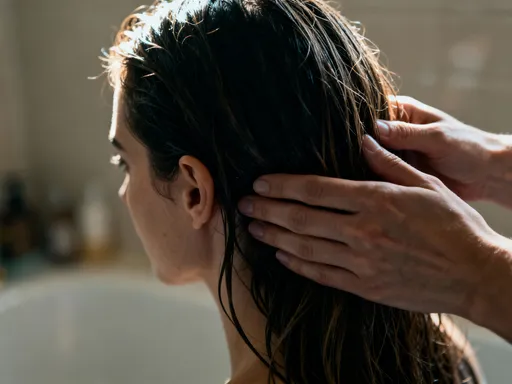
Gentle, consistent cleansing is key. The goal isn’t to strip the scalp bare but to maintain balance. Sulfate-free shampoos are often a better choice for daily use, especially for those with dry or sensitive scalps. They clean effectively without removing essential oils. Massaging the scalp during washing not only feels soothing but also stimulates blood circulation, which delivers oxygen and nutrients to the follicles. This simple act takes less than a minute but can make a noticeable difference over time.
How often you wash depends on your hair type, lifestyle, and environment. Some women thrive washing every few days, while others may need to cleanse daily due to sweat, styling products, or oily skin. The real issue isn’t frequency—it’s awareness. Pay attention to how your scalp feels. Is it tight and dry? Oily by midday? Flaky after skipping a wash? These clues help you adjust your routine without following trends. Skipping washes occasionally can help your scalp regulate oil production, but going too long without cleansing can lead to buildup that blocks follicles.
Scalp exfoliation, done once a week or every other week, can also support clarity. This doesn’t require harsh scrubs—gentle physical exfoliants or mild chemical ones, like those with salicylic acid, can remove dead skin cells and residue. However, over-exfoliating can irritate the scalp, so moderation is essential. Think of scalp care as a long-term investment. It won’t give you instant volume, but it creates the foundation for stronger, more resilient hair over time.
Fuel from Within: Food That Feeds Your Hair
No topical treatment can compensate for poor nutrition. Hair is made mostly of keratin, a type of protein, so your diet directly influences its strength and growth. When your body is low on key nutrients, it prioritizes vital organs over hair, which is why deficiencies often show up as thinning or brittle strands. The good news? You don’t need exotic superfoods or expensive supplements to support your hair. Everyday, whole foods can provide everything your follicles need.
Protein is the building block of hair. Without enough of it, growth slows, and strands become weak. Including a source of protein at every meal—such as eggs, Greek yogurt, beans, lentils, chicken, or tofu—helps maintain steady supply. Iron is another critical nutrient, especially for women who menstruate or have a history of anemia. Iron carries oxygen to hair follicles, and low levels are strongly linked to hair loss. Good sources include spinach, lentils, red meat, and fortified cereals, especially when paired with vitamin C-rich foods like bell peppers or citrus to enhance absorption.
Biotin, often marketed as a hair growth supplement, does play a role in keratin production. However, most people get enough biotin from their diet—found in eggs, nuts, and whole grains—so supplementation is rarely necessary unless a deficiency is confirmed. Omega-3 fatty acids, found in fatty fish like salmon, chia seeds, and walnuts, support scalp health by reducing inflammation and keeping the skin hydrated. Zinc, present in pumpkin seeds, chickpeas, and shellfish, helps regulate the oil glands around follicles and supports tissue repair.
Hydration is just as important. Water makes up a significant portion of the hair shaft, and chronic dehydration can lead to dryness and breakage. While drinking water won’t make your hair grow faster, it ensures that each strand maintains its elasticity and resilience. Aim for consistent hydration throughout the day, especially if you’re active, live in a dry climate, or consume diuretics like coffee or alcohol.
On the flip side, extreme diets—especially those very low in calories or eliminating entire food groups—can backfire on hair health. Rapid weight loss, common in restrictive plans, often leads to telogen effluvium, a temporary but noticeable shedding that occurs two to three months after the stress event. This is the body’s way of conserving energy, redirecting resources away from non-essential functions like hair growth. Sustainable, balanced eating is always better for long-term hair health than quick fixes.
Daily Habits That Make a Difference
Great hair doesn’t come from perfection—it comes from consistency. The most effective routines are the ones you can stick with, not the ones that take an hour and require ten products. Simple, low-maintenance habits, done regularly, have a compounding effect. Over time, they protect your hair from damage and create the conditions for it to grow stronger.
Heat styling is one of the biggest culprits behind damage. Flat irons, curling wands, and blow dryers, especially when used daily, weaken the hair’s protein structure, leading to brittleness and split ends. Reducing heat use, even by a few days a week, can make a noticeable difference. When you do style with heat, always use a heat protectant and set tools to a moderate temperature. Air drying, when possible, is the gentlest option—though rough towel drying can cause friction. Instead, gently squeeze out excess water with a microfiber towel or an old cotton T-shirt, which is less abrasive.
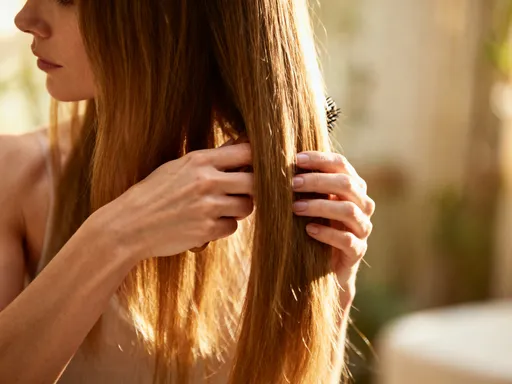
Brushing matters too. Aggressive brushing, especially when hair is wet and most vulnerable, can cause breakage. Use a wide-tooth comb or a brush with soft, flexible bristles, starting from the ends and working upward. This minimizes tension on the roots. Regular brushing also helps distribute natural scalp oils down the hair shaft, adding shine and protection. Doing this in the evening or before bed can become a calming ritual, not just a grooming task.
Sleep environment plays a surprising role. Cotton pillowcases create friction, leading to frizz and breakage overnight. Switching to a silk or satin pillowcase reduces this friction, helping hair stay smooth and intact. Similarly, tight hairstyles like high ponytails, braids, or buns worn daily can cause traction alopecia over time—a type of hair loss from constant pulling. Looser styles, scrunchies, or rotating your part can reduce strain on delicate areas, especially around the hairline.
Sleep and stress management are less obvious but equally important. Poor sleep disrupts hormone balance, including cortisol and melatonin, both of which influence hair growth. Chronic stress can push hair follicles into a resting phase, leading to shedding weeks or months later. Incorporating small stress-reducing practices—like walking, journaling, or deep breathing—doesn’t just improve mental well-being; it supports hair health too. Self-care isn’t selfish—it’s foundational.
When to See a Pro: Knowing the Limits
While most hair concerns can be addressed with lifestyle changes, some signs indicate it’s time to consult a professional. Sudden or excessive shedding—losing more than 100 strands a day on a regular basis—especially if it’s clumping in the shower or on your brush, should not be ignored. Patchy hair loss, bald spots, or a scalp that’s consistently red, scaly, or painful are also red flags.
A dermatologist or trichologist (a specialist in hair and scalp disorders) can help identify underlying causes. They might perform blood tests to check for deficiencies in iron, vitamin D, thyroid hormones, or other markers. They can also examine the scalp under magnification to assess follicle health and rule out conditions like alopecia areata, scalp psoriasis, or fungal infections. While these tests won’t always reveal a clear answer, they provide valuable insight and rule out medical issues that self-care alone can’t fix.
Many women hesitate to seek help, fearing judgment or feeling like their concern isn’t serious enough. But hair loss, thinning, or chronic scalp issues are valid health concerns. A professional evaluation isn’t an admission of failure—it’s an act of self-respect. It shows you’re taking your well-being seriously. Most dermatologists are compassionate and experienced in addressing these concerns, especially in midlife women navigating hormonal changes.
Treatment, if needed, might include topical solutions like minoxidil, prescription medications, or targeted therapies. But even in medical cases, lifestyle support remains important. A doctor might recommend iron supplements for deficiency or suggest stress management techniques alongside treatment. The goal is not to replace your efforts but to enhance them with expert guidance. Knowing when to ask for help is a sign of strength, not weakness.
Putting It All Together: A Simple Starter Plan
Improving hair health doesn’t require a complete overhaul. Start with small, manageable changes that fit your life. A 4-week gentle reset can help you build momentum without feeling overwhelmed. The focus is on four pillars: cleanse, nourish, protect, and observe.
Week one: Simplify your routine. Switch to a gentle, sulfate-free shampoo and wash based on your scalp’s needs. Begin a nightly habit of brushing with a soft brush and using a silk pillowcase. Eliminate heat styling for at least three days a week.
Week two: Focus on nourishment. Add one protein-rich food to each meal. Drink an extra glass of water daily. Include a serving of leafy greens and a source of healthy fats, like avocado or nuts. Notice how your energy and hair feel.
Week three: Protect and prevent. Avoid tight hairstyles. Use a heat protectant when styling. Gently exfoliate your scalp once. Keep up with hydration and nutrition.
Week four: Observe and adjust. Take a moment to reflect. Has your scalp felt less itchy? Is your hair easier to manage? Are split ends less frequent? Journal these small wins. They may seem minor, but they’re signs of progress.
This plan isn’t about perfection. Miss a day? That’s okay. The goal is consistency, not flawlessness. Adapt the steps to your schedule and preferences. Maybe you can’t eliminate heat styling completely—then aim for moderation. Maybe you don’t like salmon—choose another source of omega-3s. The key is showing up for yourself, one small choice at a time.
Over time, these habits do more than improve your hair. They foster a deeper sense of self-awareness and care. You start to notice how food affects your energy, how sleep influences your mood, how gentle treatment leads to better results. Hair becomes a gateway to overall well-being. And when you care for your body with patience and respect, the reflection in the mirror begins to reflect something deeper: a life lived with more balance, care, and quiet confidence.