How I Finally Started Feeling Like Myself Again — A Real Beginner’s Take on Recovery Training
You know that feeling when your body just isn’t yours anymore? After an injury, illness, or long downtime, even small movements can feel impossible. I’ve been there — stuck, frustrated, and overwhelmed. But what if getting back on track didn’t require extreme fixes? This is the honest story of how I began recovery training, one tiny step at a time. No magic cures, no wild claims — just real progress, science-backed methods, and lessons learned the hard way. It wasn’t about becoming someone new, but about returning to myself — stronger, wiser, and more in tune with what my body truly needed.
The Breaking Point: When Normal Life Felt Out of Reach
There was a time when simply standing up from the couch left me breathless and unsteady. I didn’t fall, but my legs trembled as if they’d forgotten how to hold me. That moment wasn’t dramatic — no crash, no diagnosis — just a slow erosion of strength and stamina after months of forced inactivity due to a back injury. At first, I thought rest would heal me. I stayed off my feet, avoided lifting, and minimized movement, believing my body just needed time. But instead of improving, I felt myself slipping further away from the person I used to be.
The emotional weight was just as heavy as the physical limitations. Simple tasks like folding laundry, walking to the mailbox, or playing with my children became sources of anxiety. I hated needing help to carry groceries or asking someone to reach a high shelf. The independence I once took for granted was gone. Worse, I began to fear that this fragile state wasn’t temporary — that this was now my normal. I felt isolated, even in a house full of people who loved me. The worst part was the shame. I blamed myself for not healing faster, for being “weak,” for not pushing through.
I tried following the old advice: “Just get back to it.” I attempted brisk walks, then stretches, then light strength exercises. But each attempt ended in increased pain, fatigue, and discouragement. My back flared up. My joints ached. I’d spend the next two days in bed, feeling worse than before. The more I pushed, the further I regressed. It wasn’t until I sat on my bedroom floor one morning, unable to stand without bracing myself against the wall, that I realized something had to change. The traditional mindset of “no pain, no gain” wasn’t working — it was breaking me. I needed a different path, one built not on force, but on understanding.
That moment of clarity wasn’t dramatic, but it was decisive. I stopped measuring progress by how much I could do in a day and started asking a better question: How can I move today in a way that helps, not harms? This shift — from performance to healing — marked the true beginning of my recovery journey. I began to see my body not as an obstacle, but as a partner that needed patience, respect, and a clear plan.
What Recovery Training Really Is (And What It’s Not)
Recovery training is not just light exercise for people who can’t handle the real thing. It’s a structured, science-based approach to rebuilding strength, mobility, and function after injury, illness, or prolonged inactivity. Unlike general fitness, which often emphasizes intensity, speed, or appearance, recovery training prioritizes safety, precision, and gradual progression. Its goal isn’t to burn calories or build muscle size, but to restore the body’s ability to move freely, efficiently, and without pain. Think of it as retraining your body to remember how to function — like physical literacy for someone who’s been out of practice.
One of the most important distinctions is between rehabilitation and fitness. Fitness assumes a baseline level of health and function. Recovery training starts where you are — even if that means beginning with seated breathing exercises or ankle circles. The pacing is deliberate. Each phase builds on the last, allowing tissues time to adapt. Healing is not linear, and recovery training honors that truth. You don’t skip stages because you’re eager to “get better fast.” Doing so risks setbacks, reinjury, and prolonged recovery. The body heals in phases — inflammation, repair, remodeling — and each requires specific types of movement and rest.
Mindset is equally critical. In fitness, motivation often comes from external goals: losing weight, fitting into clothes, or achieving a personal record. In recovery, motivation must come from internal awareness: noticing small improvements in posture, balance, or ease of movement. It’s about listening to your body, not overriding it. This requires patience and a willingness to celebrate tiny victories — like being able to tie your shoes without sitting down or turning your head comfortably while driving.
Professional guidance is not optional in recovery training — it’s essential. While some exercises can be done safely at home, a physical therapist or rehabilitation specialist can assess your specific condition, identify movement imbalances, and design a personalized plan. They help you avoid compensations — like shifting weight to one side or using the wrong muscles — that can lead to long-term problems. Seeing a specialist doesn’t mean you’re broken beyond repair; it means you’re taking your recovery seriously. Just as you wouldn’t perform surgery on yourself, you shouldn’t guess your way through healing.
Debunking the Top 3 Myths That Kept Me Stuck
For months, I unknowingly followed false beliefs that slowed my progress and increased my frustration. The first was the idea that “more pain means more progress.” I thought if I wasn’t sore or tired after a session, I hadn’t done enough. I pushed through stiffness, ignored sharp twinges, and believed discomfort was a sign of healing. But science shows that pain is not a reliable indicator of progress — it’s a warning signal. True recovery happens in the absence of pain, through controlled, gentle loading that stimulates tissue repair without causing damage. When I finally stopped equating pain with effort, my body began to respond. My flare-ups decreased, and my mobility improved steadily.
The second myth was the belief that “rest is the best medicine.” While rest is crucial in the acute phase of injury, prolonged inactivity leads to muscle atrophy, joint stiffness, and reduced circulation — all of which delay healing. The body needs movement to deliver nutrients to tissues, remove waste, and maintain joint lubrication. Complete stillness may feel safe, but it often makes recovery harder. I learned that gentle, intentional movement — even just five minutes of seated ankle pumps or shoulder rolls — is often more healing than hours of lying still. Movement is medicine, but it must be the right kind, at the right time, and in the right amount.
The third and most damaging myth was the belief that “you’ll never be the same.” After my injury, I assumed I’d always have limitations — that I’d never garden without pain, hike with my family, or sleep through the night. This mindset created a self-fulfilling prophecy. I avoided activities not because I couldn’t do them, but because I believed I couldn’t. But the human body is remarkably adaptable. Neuroplasticity and tissue remodeling allow us to regain function, even after significant setbacks. The key is consistency, proper guidance, and a belief in the possibility of improvement. When I replaced “I can’t” with “I’m learning how,” my progress accelerated. I wasn’t returning to my old self — I was becoming a stronger, more resilient version.
The First Moves: Simple Daily Habits That Actually Helped
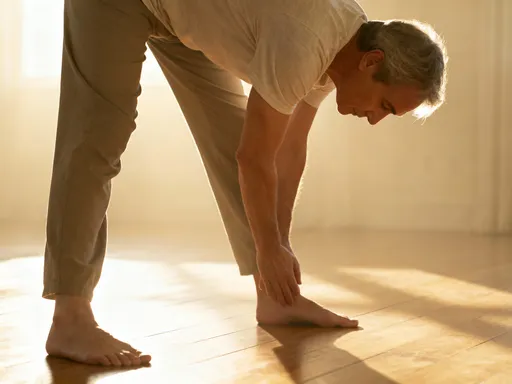
My recovery didn’t start with a complex routine or expensive equipment. It began with three simple habits I could do every day, even on my worst days. The first was joint mobility exercises. I started with my neck, gently tilting my head side to side, then forward and back, moving slowly and breathing deeply. I did the same with my shoulders, wrists, and ankles — small, controlled circles that restored circulation and reduced stiffness. These movements took less than five minutes but made a noticeable difference in how I felt by midday. They reminded my nervous system that movement was safe, not threatening.
The second habit was diaphragmatic breathing. I learned to breathe deeply into my belly, not my chest. This simple technique reduced muscle tension, lowered my heart rate, and improved oxygen delivery to healing tissues. I practiced it for three minutes in the morning and before bed. On days when pain flared, I used it as a calming tool. Breathing isn’t just for relaxation — it supports core stability, which is essential for back health. When I focused on breathing properly during movement, my balance improved, and my movements became smoother.
The third habit was intentional walking. I didn’t aim for distance or speed. Instead, I focused on posture — keeping my head up, shoulders relaxed, and steps even. I started with two-minute walks around my living room, then gradually increased to short laps around the block. I paid attention to how my feet landed, how my arms swung, and how my breath matched my pace. These walks weren’t about exercise; they were about re-establishing confidence in my body. Over time, I noticed I could walk longer without fatigue, climb stairs more easily, and stand in the kitchen for longer periods.
Tracking my progress was crucial. I kept a simple journal where I noted not just pain levels, but energy, mood, and functional improvements. Could I reach the top shelf today? Did I sleep better? Was I less stiff in the morning? These small wins built momentum. They reminded me that healing was happening, even when it wasn’t dramatic. I stopped waiting for a “big breakthrough” and started valuing the quiet, consistent progress that laid the foundation for lasting change.
Building a Routine That Fits Real Life
One of my biggest fears was that recovery would require hours of exercise I didn’t have. I’m a mother, a partner, and someone with daily responsibilities. I couldn’t disappear into a gym for an hour each day. What changed everything was realizing that recovery training doesn’t need to be long — it just needs to be consistent. I built a 10–15 minute daily routine that fit into my schedule, no matter how busy I was. I did it in the morning after coffee, during a child’s nap, or before bed. The key was making it non-negotiable, like brushing my teeth.
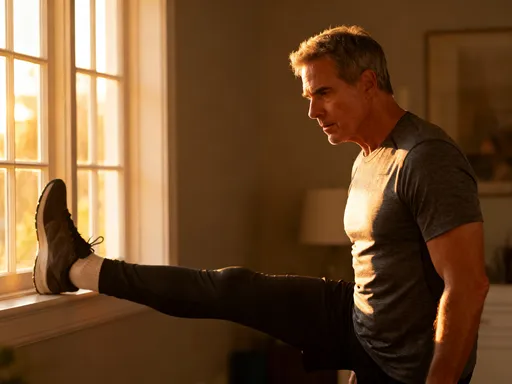
My routine included three phases: warm-up, movement, and cooldown. The warm-up was two minutes of deep breathing and joint mobility. The movement phase included two or three exercises based on my ability that day — seated leg lifts, wall push-ups, or standing balance work. I chose exercises that matched my current capacity, not my ego. If I felt stiff, I did less. If I felt strong, I added a repetition — but never pushed to exhaustion. The cooldown was two minutes of gentle stretching and mindful breathing.
Consistency mattered more than intensity. I didn’t need to feel tired or sore to know it was working. In fact, the absence of soreness was a sign I was doing it right. I stayed motivated by focusing on how the routine made me feel — more alert, less stiff, more in control. On bad days, I modified. If standing was hard, I did everything seated. I allowed myself grace without guilt. Recovery isn’t about perfection — it’s about showing up, even in small ways.
I also learned to separate effort from strain. I could work hard without harming myself. The difference was in the feedback my body gave me. If I felt energized afterward, I knew I’d done well. If I felt drained or achy, I adjusted the next day. This self-awareness became a powerful tool. I wasn’t following a rigid plan — I was learning to listen, adapt, and respond with kindness.
The Mind-Body Connection: Why Healing Isn’t Just Physical
One of the most surprising lessons was how much my mental state affected my physical recovery. Stress and anxiety tightened my muscles, increased pain sensitivity, and disrupted sleep — all of which slowed healing. I didn’t realize how much tension I carried until I started paying attention. My shoulders were always hunched, my jaw clenched, my breath shallow. These habits weren’t just uncomfortable — they were actively working against my recovery.
Sleep emerged as a cornerstone of healing. During deep sleep, the body repairs tissues, regulates hormones, and resets the nervous system. Poor sleep didn’t just make me tired — it made my pain worse and my progress slower. I prioritized sleep hygiene: a consistent bedtime, a dark room, no screens before bed, and a calming routine. Even small improvements in sleep quality led to noticeable gains in energy and resilience.
Mindful movement became another key. Instead of rushing through exercises, I focused on form, breath, and sensation. I moved slowly, paying attention to how each muscle engaged. This wasn’t just about safety — it strengthened the connection between my brain and body. Over time, my movements became more coordinated, efficient, and confident. I stopped fearing movement and started trusting it.
I also learned to celebrate non-scale victories. Progress wasn’t just about pain reduction. It was about being able to play on the floor with my kids, stand in the shower without holding the wall, or sleep through the night. These moments weren’t dramatic, but they were meaningful. They reminded me that recovery wasn’t just about fixing a problem — it was about reclaiming a life.
When to Push — And When to Pause
One of the hardest skills to learn was distinguishing between discomfort and danger. Not all pain is harmful, but not all discomfort should be ignored. I learned that a mild ache or fatigue during or after exercise is normal — it means tissues are adapting. But sharp, shooting, or radiating pain is a red flag. That kind of pain means I’ve gone too far, used the wrong form, or aggravated an area that needs more time. Recognizing the difference allowed me to train safely and avoid setbacks.
The difference between challenge and harm is subtle but critical. Challenge feels like effort — muscles working, breath increasing, focus required. Harm feels like warning — pain that lingers, movement that feels unstable, fatigue that doesn’t fade. I learned to respect my body’s signals. If I felt harm, I paused, rested, and reassessed. I didn’t see this as failure — it was wisdom.
Communicating with my healthcare provider was essential. I kept a simple log of my exercises, symptoms, and progress. When I had questions or concerns, I shared them. My physical therapist helped me interpret what my body was telling me and adjust my plan accordingly. This partnership gave me confidence and prevented small issues from becoming big problems.
Knowing when to rest without guilt was a breakthrough. I used to see rest as laziness. Now I see it as a necessary part of healing. Rest allows tissues to repair, the nervous system to reset, and the mind to recover. I no longer push through bad days. I adapt, reduce intensity, or take a full day off — and I do it without self-blame. Recovery is not a race. It’s a journey that requires balance, patience, and self-compassion.
Conclusion: A New Kind of Strength
Looking back, my recovery wasn’t marked by dramatic transformations, but by quiet, consistent progress. I can now walk for 30 minutes without pain, garden for an hour, and sleep through the night. I’m not “fixed” — I’m functioning, thriving, and more in tune with my body than ever before. The strength I’ve gained isn’t just physical. It’s the strength of patience, the resilience of persistence, and the wisdom of listening.
Recovery training became a form of self-respect. It wasn’t about punishing my body for its limitations, but about honoring it for its ability to heal. I stopped seeing myself as broken and started seeing myself as someone worthy of care. This shift in mindset made all the difference.
If you’re just starting your recovery journey, know this: you don’t need to be fixed. You need to be guided. You don’t need extreme measures or perfect consistency. You need small, sustainable steps taken with intention and support. Always consult a qualified professional — this journey is too important to navigate alone.
Healing is not a straight line, but every small step builds a stronger, more resilient version of you. You are not behind. You are exactly where you need to be — ready to begin, one gentle move at a time.