How I Regained My Balance—And Why It Changed Everything
Balance isn’t just about standing on one foot—it’s a hidden pillar of daily strength and independence. After a minor fall made me rethink my stability, I dug into how balance truly works. What I discovered went beyond reflexes: it’s deeply tied to recovery, aging, and even confidence in movement. This is what science says, what I tested, and what actually helped me stand taller—literally.
The Moment That Shifted My Perspective
A quiet Tuesday morning changed everything. I was walking from the kitchen to the living room, a route I’d taken thousands of times, when my foot caught slightly on the edge of a rug. It wasn’t a dramatic trip—no fall, no injury—but the sudden lurch forward, the instinctive grab for the counter, the racing heart that followed—it left me shaken. In that brief moment, I realized how much I had taken for granted. Balance, once automatic, now felt fragile. That small incident wasn’t just about a misstep; it was a warning sign of something deeper at play.
For weeks afterward, I noticed subtle shifts. I hesitated on uneven sidewalks. I gripped railings more tightly when going downstairs. The confidence I once had in my body’s ability to move smoothly began to erode. I wasn’t alone in this. Many people, especially after periods of inactivity, injury, or as part of the natural aging process, experience this quiet decline in stability. Yet, balance is rarely part of standard fitness routines. It’s often overlooked until something goes wrong. The emotional toll of that loss—fear, self-doubt, a growing sense of vulnerability—can be just as impactful as any physical limitation.
What started as a personal concern soon became a mission to understand. Why does balance matter so much? How does it work? And most importantly, can it be rebuilt? The answers led me not only to better stability but to a deeper appreciation for the intricate systems that keep us upright and moving with confidence.
What Balance Really Is (It’s Not Just Physical)
Balancing on one foot might seem like a simple act, but it’s actually the result of a highly coordinated network operating behind the scenes. The body relies on three primary systems to maintain equilibrium: the vestibular system in the inner ear, the visual system, and the proprioceptive system. Together, they form a silent feedback loop that constantly adjusts muscle tension, joint position, and posture to keep us steady, even when we’re unaware of it.
The vestibular system, located deep within the inner ear, detects motion and spatial orientation. It senses whether you’re moving forward, tilting, or rotating, sending signals to the brain about your head’s position. This system is why you can sense movement even with your eyes closed. When it functions well, you feel grounded. When it’s disrupted—due to illness, aging, or inactivity—dizziness or imbalance can follow, even in familiar environments.
Next is the visual system. What you see plays a crucial role in balance. Your eyes help confirm your position in space by tracking your surroundings. If lighting is poor or visual cues are unclear—such as walking through a dim hallway or on a shiny floor—your brain receives less reliable information, making it harder to stay stable. This is why many people feel less secure in low-light conditions or crowded spaces where visual input is chaotic.
The third component, proprioception, is often the least understood but equally vital. Proprioception refers to your body’s ability to sense where its parts are in space without looking. It’s the reason you can touch your nose with your eyes closed or walk without watching your feet. This sensory feedback comes from receptors in your muscles, tendons, and joints. After an injury or prolonged immobility, these signals can weaken, leading to a sense of “disconnect” between intention and movement. The result? Clumsiness, hesitation, or a feeling of unsteadiness even when standing still.
When all three systems work together, balance feels effortless. But when one or more are compromised—even slightly—the body must compensate, often without immediate awareness. This silent degradation explains why balance issues often go unnoticed until a stumble or fall occurs. The good news is that these systems are not fixed; they can be retrained, strengthened, and recalibrated with the right approach.
Why Recovery Depends on Stability
After surgery, illness, or a period of enforced rest, regaining strength is often the primary focus of recovery. Yet, without addressing balance, progress can stall. Stability is not a secondary benefit—it is a foundational element of functional recovery. When balance is impaired, even simple tasks like standing from a chair, stepping into a shower, or turning around in a doorway become challenges that increase the risk of falls and setbacks.
Consider someone recovering from knee surgery. The surgical site heals, strength returns gradually, and mobility improves. But if the proprioceptive signals from the joint remain dulled, or if the person avoids putting full weight on the leg out of caution, the brain receives incomplete information about body position. This creates a gap between physical healing and functional confidence. The person may walk, but not with assurance. They may avoid stairs or uneven ground, limiting their independence and slowing overall progress.
Likewise, after a hospital stay or prolonged bed rest, muscles weaken and sensory systems become less responsive. The body forgets how to coordinate movement smoothly. In such cases, balance training is not an optional add-on—it is a necessary step in restoring the connection between mind and body. Medical professionals recognize that early mobilization, including balance exercises, reduces complications, improves outcomes, and supports faster return to daily activities.
Moreover, the psychological aspect of recovery cannot be ignored. Fear of falling often leads to reduced activity, which in turn accelerates muscle loss and further weakens stability. This creates a cycle that is difficult to break without intentional intervention. Addressing balance early helps rebuild not only physical control but also mental confidence. When people feel steady, they are more likely to move, explore, and engage in life—key components of holistic healing.
The Science of Rebuilding Stability
The human body has a remarkable ability to adapt, even after injury or during aging. This adaptability, known as neuroplasticity, allows the brain to rewire and refine motor control through repetition and practice. When it comes to balance, the nervous system can learn to rely more heavily on certain sensory inputs when others are weakened. For example, if vestibular function declines, the brain can enhance its use of visual and proprioceptive cues to maintain stability.
Research in rehabilitation science consistently shows that structured balance training leads to measurable improvements in postural control, coordination, and reaction time. These changes are not limited to younger or healthier individuals. Older adults and those recovering from neurological conditions such as stroke have demonstrated significant gains through consistent practice. The key lies in repetition, progression, and consistency—not intensity.
Balance training works by challenging the body in controlled ways, prompting the brain to refine its responses. Small disturbances—like standing on an uneven surface or closing the eyes during a stance—force the sensory systems to recalibrate. Over time, these micro-adjustments become automatic, leading to smoother, more confident movement in everyday life.
One of the most encouraging aspects of this process is that improvements can be seen in as little as a few weeks with regular practice. The nervous system responds quickly to new demands, especially when exercises are integrated into daily routines. The goal is not perfection but progress—small, sustainable changes that build resilience over time. This scientific foundation underscores that balance is not a fixed trait but a trainable skill, accessible to nearly everyone willing to invest the effort.
Simple Daily Moves That Make a Difference
The beauty of balance training lies in its accessibility. It does not require special equipment, a gym membership, or hours of time. The most effective exercises are simple, safe, and can be woven into daily life with minimal disruption. The key is consistency—practicing a little each day yields greater results than occasional intense sessions.
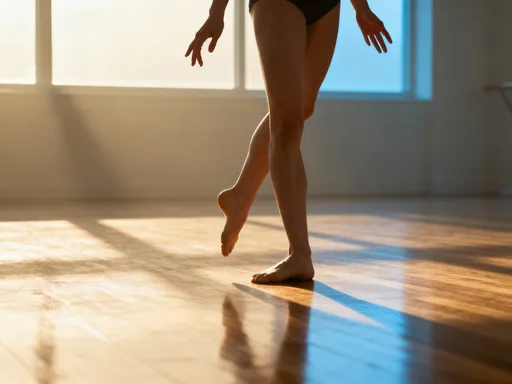
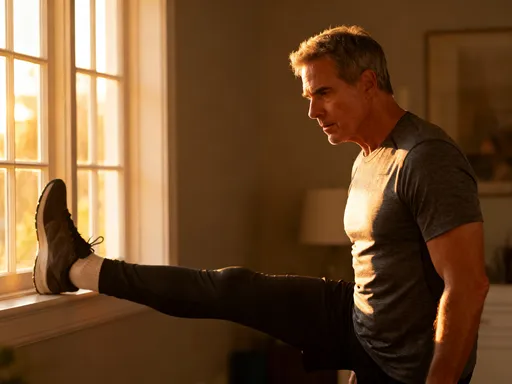
One of the most basic yet powerful exercises is standing on one leg. This can be done while brushing teeth, waiting for the kettle to boil, or during a phone call. Start by holding onto a sturdy surface, lifting one foot slightly off the ground, and balancing on the other. Aim for 20 to 30 seconds, then switch sides. As stability improves, gradually reduce hand support and increase duration. This exercise strengthens ankle stability, engages core muscles, and enhances proprioception.
Another effective movement is the heel-to-toe walk, also known as the tandem walk. Walk in a straight line, placing one foot directly in front of the other so that the heel of the front foot touches the toes of the back foot. This narrow base of support challenges balance and improves coordination. It can be done along a hallway or beside a counter for light support. Practicing this for one minute daily helps train the body to maintain alignment during dynamic movement.
Seated weight shifts are ideal for those just beginning or managing limitations. While sitting in a firm chair, slowly shift weight to one side, lifting the opposite hip slightly off the seat, then return to center and shift to the other side. This gentle motion increases awareness of pelvic position and strengthens the muscles involved in lateral stability. It also promotes mindful movement, encouraging attention to how the body shifts and adjusts.
Slow squats using support—such as holding onto a countertop or chair back—help build leg strength and improve control during transitions like sitting and standing. Lower the body slowly, keeping the back straight and knees over toes, then rise with control. This movement integrates balance, strength, and coordination, making it highly functional for daily life. Performing five to ten repetitions daily supports both lower body power and postural confidence.
These exercises may seem small, but their cumulative effect is profound. When practiced regularly, they retrain the nervous system, strengthen key muscles, and restore trust in movement. The goal is not to perform them perfectly but to engage with them consistently, allowing the body to adapt gradually and safely.
Environment and Mindset: The Hidden Factors
While physical training is essential, two often-overlooked aspects of balance are the environment and the mindset. A home filled with clutter, loose rugs, or poor lighting increases the risk of trips and falls, especially for those already experiencing instability. Simple modifications—such as securing rugs, adding nightlights, improving lighting in hallways, and removing obstacles from walking paths—can significantly enhance safety and reduce anxiety.
Equally important is the psychological dimension of balance. Fear of falling can become a self-fulfilling prophecy. When people worry about losing stability, they may move less, avoid certain activities, or walk with stiff, cautious steps. This guarded movement actually reduces coordination and weakens the very systems needed for balance. The less you move with confidence, the harder it becomes to regain it.
Breaking this cycle requires a shift in mindset. Instead of focusing on what could go wrong, attention should turn to small successes: holding a balance pose for a few seconds longer, walking through a room without holding on, or stepping off a curb smoothly. These moments build confidence and reinforce the body’s ability to respond effectively. Celebrating progress, no matter how minor, fosters a positive feedback loop that supports continued improvement.
Mindful movement—paying attention to how the body feels during walking, turning, or reaching—also plays a valuable role. This awareness helps detect subtle imbalances before they lead to missteps. For example, noticing that you tend to lean to one side when standing or that you look down more than necessary while walking can reveal areas for improvement. Simply bringing attention to movement patterns can lead to natural corrections over time.
Creating a supportive environment and cultivating a resilient mindset are not secondary to physical training—they are integral to it. When safety and confidence align, the foundation for lasting stability is strengthened.
Long-Term Gains: Beyond Standing Steady
Improving balance is not just about preventing falls or standing on one foot longer. Its benefits ripple outward, enhancing posture, increasing leg strength, sharpening mental focus during movement, and expanding independence. As stability improves, daily tasks become easier and less taxing. Walking feels more fluid, getting in and out of chairs requires less effort, and navigating crowded spaces becomes less stressful.
Over time, consistent balance practice contributes to better overall physical function. Stronger core and leg muscles support joint health and reduce strain on the back. Improved coordination enhances performance in other activities, from gardening to dancing. Even cognitive benefits have been observed, as balance training engages attention, spatial awareness, and decision-making in real time.
Perhaps the most meaningful outcome is the restoration of autonomy. The ability to move through the world with confidence—without constant worry or reliance on support—fosters a deeper sense of well-being. It allows people to stay active, engaged, and connected to their communities, which is especially important as they age.
True stability is not achieved overnight. It is built gradually, through patience, repetition, and self-compassion. It requires listening to the body, respecting its limits, and celebrating its progress. For anyone recovering from injury, managing chronic conditions, or simply noticing changes with age, balance training offers a powerful path forward.
It is always advisable to consult with a healthcare provider or physical therapist before beginning a new exercise routine, especially if dealing with specific medical concerns. Professional guidance ensures that exercises are appropriate, safe, and tailored to individual needs. But for most people, the journey to better balance begins with a single step—one taken with intention, awareness, and the quiet determination to stand taller, move freely, and live with greater confidence.