How I Fixed My Daily Aches with 5 Minutes of Stretching—No Gym Needed
Ever feel stiff when you wake up or sore after sitting all day? I did too—until I started stretching for just five minutes every morning. It wasn’t some intense routine, just simple moves that changed how I felt all day. No equipment, no sweat, just movement. Over time, I stood taller, moved easier, and felt more awake. This isn’t about extreme fitness; it’s about feeling better in your body, every single day. And honestly? I wish I’d started years ago.
The Hidden Problem: How Modern Life Makes Us Stiff
Most of us spend hours each day sitting—whether at a desk, in front of a screen, or behind the wheel. This sedentary lifestyle may seem harmless, but over time, it quietly reshapes how our bodies move. Muscles that aren’t used regularly begin to shorten and tighten, especially in the hips, lower back, shoulders, and neck. What starts as mild stiffness in the morning can gradually become a persistent ache that lingers through the day. The body adapts to the positions we keep most often, and for many, that means a forward head posture, rounded shoulders, and a stiff spine.
This physical compression doesn’t happen overnight. It builds slowly, like layers of dust on a shelf—barely noticeable at first, but eventually making everything harder to access. You might not realize how restricted your movement has become until you try to reach for something on a high shelf, bend down to tie a shoe, or turn your head while reversing the car. At that moment, the discomfort becomes impossible to ignore. The irony is that these limitations aren’t inevitable signs of aging—they’re often the result of how we live, not how old we are.
For women between 30 and 55, this issue can be even more pronounced. Hormonal shifts, changes in activity levels, and the physical demands of caregiving—carrying children, lifting groceries, managing household tasks—can amplify the strain on already-tight muscles. Add in long workdays and digital screen use, and the body becomes a storage unit for tension. Yet, many dismiss these sensations as normal, something to push through. But chronic stiffness isn’t normal—it’s a signal. It’s the body’s way of asking for movement, for release, for attention.
Why Stretching? The Science Behind Simple Movement
Stretching is one of the most accessible yet underused tools for maintaining physical well-being. At its core, stretching involves gently lengthening muscles and connective tissues to improve flexibility and joint mobility. When done regularly, it enhances blood circulation, delivering oxygen and nutrients to muscles while helping remove metabolic waste. This process not only reduces soreness but also supports muscle recovery, even after everyday activities.
Research has shown that consistent, low-intensity stretching can lead to measurable improvements in range of motion and muscular function. A study published in the Journal of Physiology found that just five minutes of daily stretching over several weeks increased flexibility significantly, especially in sedentary adults. Another review in the Scandinavian Journal of Medicine & Science in Sports highlighted that regular stretching helps maintain muscle elasticity, which naturally declines with age. These benefits aren’t limited to athletes or fitness enthusiasts—they’re essential for anyone who wants to move comfortably through daily life.
One common misconception is that stretching is only useful before or after exercise. In reality, it’s a standalone practice with wide-ranging benefits. Think of your muscles like rubber bands. If they’re never stretched, they lose their elasticity and become prone to strain. Stretching keeps them supple and responsive. It also plays a role in posture by balancing muscle tension—tight chest muscles can pull the shoulders forward, while weak back muscles struggle to correct it. Simple stretches can help restore this balance, allowing the spine to align more naturally.
Moreover, stretching activates the parasympathetic nervous system, the part of the body responsible for rest and relaxation. This means that even a brief session can reduce stress hormones like cortisol and promote a sense of calm. Unlike high-intensity workouts that require time, space, and energy, stretching fits into almost any schedule and requires nothing more than your own body. It’s not about performance; it’s about presence. And in that way, it becomes both a physical and mental reset.
My Wake-Up Routine: A 5-Minute Stretch That Actually Works
When I first started stretching, I didn’t have a plan. I just stood by my bed and reached my arms overhead, then bent forward to touch my toes. It felt awkward at first, but within a few days, I noticed a difference—I wasn’t groaning when I got out of bed. That small success encouraged me to build a simple, repeatable routine. Now, every morning, I follow the same five movements. They take less than five minutes, and I do them in my pajamas, barefoot on a rug. No mirror, no music, no pressure.
The first movement is a gentle neck roll. I drop my right ear toward my shoulder, hold for a breath, then slowly roll my head forward and to the left. This releases tension that builds up from looking at screens or holding the phone between ear and shoulder. Next, I move to shoulder releases—shrugging them up toward my ears, then rolling them back and down. This opens up the chest and counteracts the hunched position many of us adopt while working or driving.
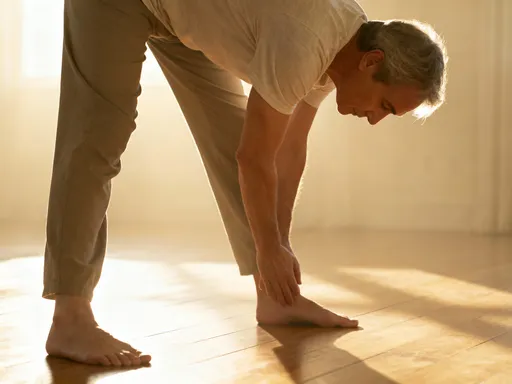
Then comes the cat-cow stretch, done on hands and knees. Inhaling as I arch my back and lift my gaze (cow), then exhaling as I round my spine and tuck my chin (cat). This fluid motion warms up the spine and reminds each vertebra it’s allowed to move. After that, I stand and do a forward fold, bending at the hips and letting my upper body hang loosely. I keep my knees slightly bent—no need to touch the floor. This stretch targets the hamstrings and lower back, areas that bear the brunt of prolonged sitting.
I finish with side bends, standing tall and reaching one arm overhead while leaning gently to the opposite side. I hold each side for a few breaths, feeling the stretch along the torso. This opens up the obliques and intercostal muscles between the ribs, improving breathing capacity. After these five moves, I feel longer, lighter, and more awake. My body feels connected, like all the parts are finally communicating again. It’s not dramatic, but it’s deeply effective.
When and Where? Making Stretching Fit Your Life
One of the biggest barriers to starting a stretching habit is the belief that it needs to happen at a certain time or place. Many assume they need a yoga mat, quiet room, or early morning motivation. But the truth is, stretching can happen anywhere and at any time. The key is consistency, not perfection. Whether it’s first thing in the morning, during a work break, or before bed, the benefits accumulate over time—even with just two or three minutes.
Morning stretching sets the tone for the day. It signals to your body that it’s time to wake up and move. But if mornings are chaotic, try stretching after work to release the tension built up during the day. Evening sessions can also support better sleep by calming the nervous system. Some women find bedtime stretching helps ease restless legs or quiet a racing mind. There’s no single best time—what matters is finding a moment that fits your rhythm.
Look for natural cues in your day. Stretch while your coffee brews. Do shoulder rolls during TV commercials. Try a seated forward bend after dinner. Even brushing your teeth can be an opportunity—stand on one leg for balance, or roll your ankles in circles. These micro-moments add up. The goal isn’t to carve out a special hour; it’s to weave movement into what you’re already doing.
For those with unpredictable schedules—juggling kids, work, or household duties—pairing stretching with an existing habit increases the chance of sticking with it. This is called habit stacking, and it works because it relies on what’s already automatic. For example, after washing your face at night, do three slow neck stretches. Or after hanging up your coat when you come home, take five deep breaths with arms overhead. These small anchors make the practice feel effortless rather than burdensome.
Common Mistakes People Make (And How to Avoid Them)
Even with the best intentions, people often unintentionally reduce the benefits of stretching by making simple errors. One of the most common is bouncing during a stretch—called ballistic stretching. This jerky motion can trigger the muscle’s protective reflex, causing it to tighten instead of relax. It also increases the risk of strain, especially in cold muscles. Instead, opt for static stretching: ease into the position and hold it steadily for 20 to 30 seconds, breathing deeply throughout.
Another frequent mistake is overstretching. There’s a difference between mild tension and sharp pain. Stretching should never hurt. If you feel pain, back off immediately. The goal is to feel a gentle pull, not a fight. Pushing too hard can lead to micro-tears in the muscle or connective tissue, which may cause inflammation and delay progress. Remember, flexibility improves gradually—not in a single session.
Holding your breath is another subtle but impactful error. Breathing helps regulate the nervous system and signals the muscles to relax. When you inhale, the diaphragm expands and creates space; when you exhale, muscles naturally release. So, maintain a steady breath throughout each stretch. If you notice you’re holding your breath, pause and reset. Let your breath lead the movement.
Finally, many people rush through their stretches, treating them like a chore to check off. But stretching is most effective when done mindfully. Take time to notice how each side of the body feels—sometimes one side is tighter than the other, and that’s normal. Acknowledge it without judgment. This awareness builds body intelligence, helping you catch tension early before it turns into discomfort. Slowing down doesn’t reduce efficiency; it enhances it.
Beyond Flexibility: How Stretching Changes Your Whole Day
The benefits of stretching go far beyond loosening tight muscles. When your body moves more freely, your mind follows. Many women report feeling more alert and focused after a short stretching session. This isn’t just anecdotal—movement increases blood flow to the brain, which supports cognitive function. Simple stretches can act like a mental reset, especially during midday slumps or after long periods of concentration.
Better posture, achieved through consistent stretching, also improves breathing. When the chest and shoulders are open, the lungs have more room to expand. Deeper breaths mean more oxygen in the bloodstream, which fuels energy production and supports mental clarity. Over time, this can reduce fatigue and the frequency of tension headaches, which are often linked to tight neck and jaw muscles.
There’s also an emotional component. Taking just a few minutes to focus on your body sends a powerful message: You matter. In a world that demands constant productivity, pausing to stretch is a quiet act of self-respect. It’s not indulgent—it’s necessary. And as this practice becomes routine, it fosters a deeper connection between mind and body. You start to notice when you’re holding stress in your shoulders or clenching your jaw during a phone call. These insights allow you to intervene early, before tension builds into pain.
Many women describe a ripple effect: after a week of daily stretching, they find themselves more likely to choose a walk over scrolling, or to drink water instead of reaching for caffeine. The habit doesn’t replace other healthy behaviors—it supports them. By prioritizing small acts of care, you create a foundation for broader well-being. Stretching becomes less about fixing a problem and more about nurturing a lifestyle.
How to Start and Stick With It—Without the Pressure
Starting a new habit can feel overwhelming, especially when life is already full. But stretching doesn’t require motivation, special gear, or hours of time. The most successful approach is to begin small and be kind to yourself. Commit to just two minutes a day—even one minute counts. The goal isn’t to achieve perfect form or maximum flexibility; it’s to show up consistently.
Pick a trigger that’s already part of your routine. For example, stretch after you brush your teeth in the morning or before you turn off the living room light at night. These anchors make the habit easier to remember and harder to skip. You don’t need to do the full five-minute sequence every day. Even repeating one or two favorite stretches builds momentum.
To stay on track, consider keeping a simple log. Mark an “X” on a calendar each day you stretch, or use a habit-tracking app. Visual progress is motivating, and seeing a streak grow encourages continuity. But if you miss a day—or several—don’t judge yourself. Progress isn’t linear. What matters is returning to the practice without guilt.
Over time, you may notice subtle shifts: your clothes fit differently, you move with more ease, or you no longer dread standing up after sitting. These changes are real, even if they’re not dramatic. Flexibility gains are gradual, but they compound. And unlike intense workouts that can leave you sore or discouraged, stretching feels good from the start. It’s sustainable because it’s gentle, accessible, and deeply personal.
Conclusion
Stretching isn’t a magic fix, but it’s one of the simplest, most effective things you can do to feel better in your body every day. It costs nothing, takes little time, and asks for no special skills. By adding just a few minutes of mindful movement to your routine, you’re not just releasing tight muscles—you’re making a quiet promise to yourself: to move well, feel well, and live well. And sometimes, the smallest habits make the biggest difference.