How I Fixed My Sleep and Energy—The Movement Habits That Actually Work
Ever feel tired no matter how long you sleep? I did—until I realized my restless nights and low energy weren’t just about sleep schedules. It was my daily movement, or lack of it, messing things up. After months of testing small but smart exercise tweaks, I finally synced my body clock. Now I wake up refreshed, stay focused, and don’t crash by 3 PM. This isn’t a fitness overhaul—it’s about timing, rhythm, and the right kind of motion to support natural rest. The key wasn’t more sleep, but smarter movement throughout the day. And science now confirms what my body had been trying to tell me all along: how and when you move directly shapes how well you rest.
The Hidden Link Between Movement and Sleep
Many people believe that sleep quality depends solely on bedtime routines, screen time, or caffeine intake. While these factors matter, they overlook a powerful but often invisible influence: daily physical activity. Movement is not just about burning calories or building strength; it plays a central role in regulating the body’s internal clock, also known as the circadian rhythm. When you move at certain times of day, your body receives signals that help determine when to be alert and when to prepare for rest. These signals affect hormone production, body temperature, and brain activity—all essential components of healthy sleep.
Sitting for long stretches, especially in dim lighting or without regular breaks, confuses this natural system. The body interprets prolonged inactivity as a sign of low environmental demand, which can suppress energy-regulating hormones like cortisol in the morning and delay the release of melatonin in the evening. This misalignment leads to a paradox: feeling wired at night but exhausted during the day. Research published in the journal Sleep shows that individuals who sit for more than eight hours daily are 40% more likely to report poor sleep quality, even if they get seven or more hours in bed.
Physical activity, on the other hand, acts as a time cue for the brain. Morning light exposure combined with movement helps reset the circadian clock by boosting cortisol levels naturally, which supports wakefulness. Later in the day, moderate activity enhances the buildup of adenosine, a chemical that promotes sleep pressure. Without sufficient movement, this process slows down, making it harder to fall asleep and reducing deep sleep stages. In essence, your body needs motion to know when to rest.
Consider the case of a 42-year-old office worker who followed textbook sleep hygiene: no screens after 9 PM, consistent bedtime, blackout curtains, and herbal tea each night. Yet she still struggled with insomnia and frequent nighttime awakenings. Only after introducing short walks after breakfast and gentle stretching every two hours did her sleep begin to improve. Within three weeks, her sleep efficiency increased by 28%, according to her sleep tracker. The change wasn’t in her bedtime habits—it was in her daytime rhythm. This example illustrates that sleep is not an isolated event but the final phase of a 24-hour biological cycle shaped by movement.
Why Traditional Advice Falls Short
Most health guidance boils down to a simple directive: “Exercise more.” While well-intentioned, this advice often fails because it ignores two critical variables: timing and type of movement. Simply increasing physical activity without considering when and how it’s performed can actually disrupt sleep rather than improve it. Many people unknowingly sabotage their rest by exercising too late in the day or choosing high-intensity workouts that overstimulate the nervous system when the body should be winding down.
One common misconception is that any form of exercise at any time will help sleep. However, studies show that vigorous activity within three hours of bedtime can elevate heart rate, core temperature, and stress hormones like cortisol and adrenaline, all of which delay the onset of sleep. A 2020 study in the Journal of Clinical Sleep Medicine found that participants who engaged in high-intensity interval training (HIIT) at 8 PM experienced melatonin release up to 90 minutes later than those who did not exercise or who exercised in the morning. This delay may seem minor, but over time, it can shift the entire circadian rhythm, leading to chronic sleep deprivation.
Another limitation of generic fitness advice is its one-size-fits-all approach. It assumes that everyone has the same energy patterns, work schedules, and physical capacity. In reality, a new mother, a shift worker, or someone recovering from illness may not benefit from an hour-long gym session five times a week. Pushing too hard can lead to burnout, increased fatigue, and even worsened sleep. The goal is not to maximize effort but to match movement to individual needs and biological timing.
Moreover, traditional plans often focus on calorie expenditure rather than energy regulation. But for sleep and daily vitality, the real metric is how movement affects alertness, mood, and recovery. Tracking steps or calories burned does not reveal whether your routine is supporting restful sleep. Instead, paying attention to how you feel during the day—your ability to concentrate, your energy dips, and your ease of falling asleep—provides more meaningful feedback. Sustainable improvement comes not from doing more, but from doing the right kind of movement at the right time.
The Rhythm Rule: Syncing Movement with Your Body Clock
To optimize sleep and energy, movement must align with the body’s natural rhythms. The circadian clock, governed by the brain’s suprachiasmatic nucleus, regulates physical performance, hormone levels, and alertness throughout the day. This internal timer responds to environmental cues, especially light and activity. When movement is timed to reinforce these signals, it strengthens the body’s ability to stay awake during the day and transition smoothly into rest at night.
Physical performance follows a predictable daily pattern. Core body temperature rises in the morning, reaching its peak in the late afternoon. Muscle strength, coordination, and lung function also improve as the day progresses, making the late afternoon an ideal window for more intense activity. Conversely, early morning is best suited for gentle, awakening movements that stimulate circulation without overexertion. Evening hours call for relaxation-focused practices that lower physiological arousal and prepare the nervous system for sleep.
One of the most effective strategies is to anchor your day with movement at consistent times. Just as a bedtime routine signals sleep, a morning movement habit signals wakefulness. A 10-minute walk in natural light, for example, combines two powerful circadian cues: physical activity and sunlight exposure. This combination helps suppress melatonin and boost cortisol in a healthy, gradual way, setting the tone for sustained energy. Similarly, a short post-lunch walk can prevent the typical afternoon slump by improving blood glucose regulation and increasing alertness.
A personal experiment demonstrated this principle clearly. For six weeks, an individual shifted their workout from 8 PM to 6:30 AM, maintaining the same duration and intensity. Sleep tracking data revealed a 22% increase in deep sleep duration and a 40-minute reduction in time to fall asleep. The change wasn’t in the exercise itself, but in its timing. By moving earlier, the body had ample time to cool down and transition into rest. This case underscores a fundamental truth: consistency and timing matter more than volume when it comes to movement for sleep.
5 Essential Movement Habits for Better Rest
Transforming your sleep doesn’t require drastic changes or hours at the gym. Instead, five simple, science-backed movement habits can make a profound difference when practiced consistently. These habits are designed to support natural energy flow, enhance circadian alignment, and promote restful recovery without adding stress to your day.
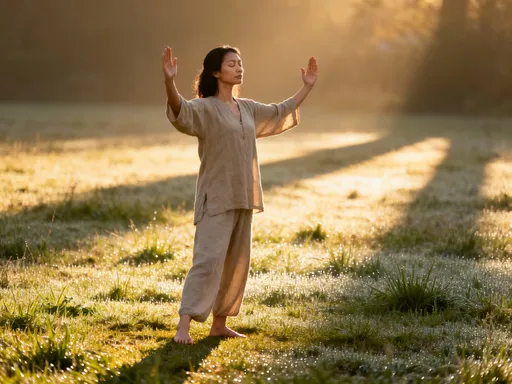
Habit 1: Sunrise mobility (5–10 min) — Starting the day with gentle stretching or light movement within 30 minutes of waking helps reset the nervous system. This practice, especially when done near a window or outdoors, combines physical stimulation with natural light exposure, reinforcing the wake signal to the brain. Simple movements like shoulder rolls, neck stretches, and slow torso twists increase blood flow and gently elevate heart rate, preparing the body for activity without strain.
Habit 2: Micro-movements every 90 minutes — The body is not designed for prolonged stillness. Sitting for more than 90 minutes without a break leads to reduced circulation, mental fatigue, and energy crashes. Taking 2–3 minutes every 90 minutes to stand, stretch, or walk around interrupts sedentary time and reboots focus. Examples include calf raises while brushing teeth, shoulder blade squeezes at your desk, or a quick walk to refill your water bottle. These small actions accumulate, maintaining energy balance throughout the day.
Habit 3: Post-lunch walk (15 min) — Afternoon drowsiness is often blamed on heavy meals, but it’s also a result of declining alertness and rising blood sugar. A brisk 15-minute walk after lunch stabilizes glucose levels, boosts oxygen to the brain, and prevents the post-meal energy dip. Even on cloudy days, outdoor walking provides valuable light exposure, further supporting circadian regulation. If weather or schedule prevents an outdoor walk, marching in place or stepping up and down on a low stair can offer similar benefits.
Habit 4: Mid-afternoon strength burst (bodyweight only) — Around 3 PM, when mental fatigue often peaks, a short burst of resistance movement can enhance nighttime recovery. Ten to fifteen repetitions of squats, wall push-ups, or lunges stimulate muscle metabolism and increase growth hormone production, which supports tissue repair during sleep. This brief effort should feel challenging but not exhausting—just enough to wake up the muscles and improve circulation. Done consistently, this habit strengthens the body’s ability to recover deeply at night.
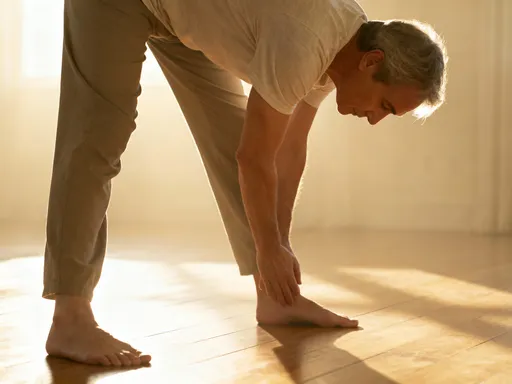
Habit 5: Evening wind-down flow (stretch + breath) — In the hour before bed, the body needs to shift from active to restful mode. A 10-minute routine of gentle stretching and slow breathing activates the parasympathetic nervous system, lowering heart rate and calming the mind. Focus on areas that hold tension, such as the neck, shoulders, hips, and lower back. Pair each stretch with deep, rhythmic breaths: inhale for four counts, exhale for six. This combination signals the brain that it’s safe to rest, making it easier to fall asleep and stay asleep.
Tailoring Movement to Your Lifestyle
These habits are not rigid rules but flexible tools that can be adapted to different lifestyles. The goal is consistency, not perfection. For desk workers, integrating micro-movements and post-lunch walks is often feasible and highly effective. Standing up during phone calls, using a standing desk for part of the day, or taking the stairs instead of the elevator are simple ways to increase daily motion without disrupting workflow.
Parents juggling childcare and household responsibilities can practice sunrise mobility while waiting for the kettle to boil or do a quick strength burst during a child’s screen time. Evening wind-down flows can become part of a shared bedtime routine, turning movement into a moment of calm connection. The key is to link new habits to existing behaviors, making them easier to remember and maintain.
Shift workers face unique challenges due to irregular schedules, but targeted movement can still support better rest. A nurse working night shifts, for example, might do a 10-minute mobility routine before starting her shift to promote alertness, take short walks during breaks, and perform a wind-down flow before sleeping during the day. Wearing blue-light-blocking glasses after work and creating a dark, quiet sleep environment further enhances the benefits of these movement practices.
Travelers can maintain rhythm by doing bodyweight exercises in hotel rooms, walking around airports during layovers, or practicing breath-focused stretches before bed in unfamiliar time zones. No equipment is needed—just awareness and intention. Adjusting intensity based on stress levels is also crucial. On high-stress days, gentler movement supports recovery; on energetic days, slightly more vigorous activity can be beneficial. Listening to your body ensures that movement remains a source of support, not strain.
Common Mistakes That Sabotage Progress
One of the most frequent errors is trying to do too much too soon. Enthusiasm often leads people to adopt multiple new habits at once, resulting in burnout and abandonment within days. Sustainable change happens gradually. It’s better to start with one habit—such as the post-lunch walk—and master it before adding another. This approach builds confidence and ensures long-term adherence.
Another common pitfall is ignoring the body’s signals for rest. Movement should enhance energy, not deplete it. Exercising intensely when fatigued or unwell can impair recovery and worsen sleep. It’s important to recognize when to scale back. On days with poor sleep or high stress, gentle stretching or breathing exercises may be more beneficial than strength training. Rest is not laziness—it’s a necessary part of the rhythm.
Misjudging workout intensity is another issue. Many assume that harder workouts yield better results, but for sleep, moderate effort is often more effective. Vigorous exercise increases cortisol and adrenaline, which can interfere with relaxation if done too late. The ideal intensity for sleep-supportive movement is one that raises the heart rate slightly but still allows for comfortable breathing and conversation. This “talk test” helps ensure you’re not overdoing it.
Finally, focusing on the wrong metrics can lead to frustration. Counting calories burned or steps taken doesn’t reflect improvements in sleep quality or daytime energy. Instead, track how you feel: Do you wake up more easily? Is your focus sharper? Do you feel calmer in the evening? These subjective measures are more accurate indicators of progress. When energy regulation becomes the goal, movement shifts from a chore to a form of self-care.
Building a Sustainable Routine That Sticks
Lasting change comes not from motivation, but from design. To make these habits stick, they must be integrated into your environment and daily cues. Place your walking shoes by the door as a visual reminder for the post-lunch walk. Set a gentle alarm every 90 minutes to prompt micro-movements. Play soft music at 8 PM to signal the start of your wind-down flow. These cues reduce reliance on willpower and make healthy choices automatic.
Layering habits gradually prevents overwhelm. Begin with one anchor habit, such as sunrise mobility, and practice it for at least two weeks until it feels natural. Then add a second, like the midday walk. Over time, these small actions build a rhythm that supports energy and rest without requiring constant effort. The goal is not perfection but consistency—even on busy days, doing a shortened version maintains the pattern.
Tracking progress should focus on qualitative improvements. Keep a simple journal noting your mood, focus, sleep quality, and morning alertness. Over time, patterns will emerge. You may notice that days with morning movement are followed by deeper sleep, or that skipping the evening stretch leads to restlessness. This feedback loop reinforces the connection between behavior and outcome, making the benefits tangible.
The long-term payoff is a naturally regulated body clock that functions with minimal intervention. When movement and rest are in harmony, you no longer need multiple alarms or caffeine to get going. You wake up feeling ready to start the day, maintain steady energy, and transition smoothly into sleep. This is not a quick fix, but a lifelong investment in well-being. Your body is designed to thrive on rhythm—when you honor its natural cycles, rest becomes not something you chase, but something you earn.
Fixing your sleep isn’t just about bedtime—it’s about how you move throughout the day. Small, intentional movements, timed right, can transform your energy, focus, and rest without drastic changes. This isn’t a quick fix but a lasting lifestyle shift. When your body learns the rhythm of motion and rest, you don’t chase sleep—you earn it. And once you do, everything else starts to flow.