How I Fixed My Hair Struggles by Calming My Mind First
Hair loss and damage aren’t just physical—they’re emotional. I used to panic every time I saw strands in the sink, but what changed everything wasn’t a fancy shampoo—it was my mindset. Stress was silently wrecking my hair, and once I addressed my mental state, real progress began. This is the story of how psychological balance became my secret weapon for healthier, stronger hair—no hype, just honest steps that worked. It wasn’t an overnight fix, but a gradual shift in how I treated my body, my thoughts, and my daily rhythms. What I discovered is that hair health is less about external treatments and more about internal harmony.
The Hidden Link Between Hair Health and Mental State
Scientific research has long established a connection between emotional stress and hair loss, particularly through a condition known as telogen effluvium. In simple terms, this occurs when a significant number of hair follicles enter the resting phase of the growth cycle prematurely, leading to increased shedding a few months later. One of the main triggers? Elevated levels of cortisol, the body’s primary stress hormone. When cortisol remains high over time—due to chronic anxiety, overwork, or emotional strain—it disrupts the normal functioning of hair follicles, weakening their ability to sustain healthy growth.
Many women facing hair thinning focus heavily on topical solutions: serums, supplements, specialized shampoos, and treatments. While some of these can be supportive, they often fall short when the root cause remains unaddressed. Imagine watering a plant while ignoring the poor soil it’s planted in—the leaves might look better temporarily, but long-term health depends on foundational conditions. In the same way, applying expensive products without managing internal stress is unlikely to yield lasting results. The body prioritizes survival over appearance, and when under constant psychological pressure, it diverts resources away from non-essential functions like hair growth.
My own journey began with a period of intense personal strain. I was juggling family responsibilities, work deadlines, and a sense of constant urgency. At first, I blamed genetics or aging when I noticed more hair in my brush. But when the shedding increased after a particularly difficult month, I started researching possible causes. That’s when I came across studies linking emotional stress to hair loss. It was a turning point. I realized that my body wasn’t failing me—it was responding logically to an overloaded system. Instead of searching for a miracle product, I began to ask: what if healing my hair started with calming my mind?
Recognizing the Signs: When Hair Issues Are Actually Mental Warnings
Hair problems often appear as isolated physical concerns, but they can serve as early indicators of deeper emotional imbalances. Common patterns such as perfectionism, chronic overcommitment, and emotional suppression frequently accompany persistent hair shedding. These traits create a mental environment of constant pressure, which the body registers as a form of ongoing crisis. Over time, this internal state translates into physical symptoms, including disrupted sleep, digestive issues, and yes—hair thinning.
One of the first physical signs I noticed wasn’t just shedding, but scalp tension. My scalp often felt tight, almost as if it were pulled too taut, especially during stressful days. This is not uncommon. The scalp contains numerous nerve endings and muscles that respond to emotional stress, much like the shoulders or neck. When the mind is tense, the body follows suit, and reduced blood flow to the scalp can impair follicle function. Additionally, disrupted sleep—a hallmark of anxiety—further interferes with the hair growth cycle, as much of the regeneration occurs during deep rest.
Another key signal was the inconsistency in hair growth. Even when shedding slowed, new growth was patchy and slow to appear. This frustrated me until I learned that hair grows in cycles lasting several years, and any major stress event can reset that cycle. What felt like a personal failure was actually a natural biological response. By tracking these changes—not just in hair density but in my mood, sleep, and daily stress levels—I began to see patterns. High-stress weeks consistently preceded heavier shedding three months later. This realization shifted my perspective: my hair wasn’t broken. It was communicating.
Mindset Shifts That Actually Support Hair Regrowth
One of the most powerful changes I made had nothing to do with products or routines—it was a shift in mindset. I had become hyper-focused on my hair, checking the mirror multiple times a day, scrutinizing every strand, and measuring progress in tiny, often invisible increments. While this attention came from a place of concern, it actually intensified my anxiety, creating a feedback loop: the more I worried, the more stress I generated, which in turn worsened the shedding.
Letting go of this obsession was not easy, but it was necessary. I started by setting boundaries with myself—limiting mirror checks to once a day and avoiding close-up inspections of my scalp. I also stopped weighing myself emotionally based on how my hair looked each morning. This didn’t mean ignoring the issue, but rather reframing it. Instead of seeing hair loss as a reflection of my worth, I began to view it as a sign that my body needed care, not punishment.
Reframing self-worth was crucial. So much of our identity, especially as women, becomes tied to appearance. When hair changes, it can feel like losing a part of oneself. But I worked on separating my value from my reflection. I reminded myself of my strengths—my ability to care for others, my resilience, my capacity for growth. This didn’t happen overnight, but over time, the emotional pressure eased. As my inner dialogue softened, so did the physical symptoms. Patience also played a major role. I learned that hair grows slowly—about half an inch per month on average—and visible regrowth takes months. Accepting this timeline reduced my urgency and allowed me to focus on sustainable habits rather than quick fixes.
Daily Mental Habits That Nourish Hair from Within
Once I recognized the mind-hair connection, I began incorporating simple but consistent mental practices into my daily routine. One of the most effective was a five-minute breathing exercise before bed. I would sit comfortably, close my eyes, and focus on slow, deep breaths—inhaling for four counts, holding for four, exhaling for six. This practice helped activate the parasympathetic nervous system, which counteracts the stress response and lowers cortisol levels. Over time, I noticed not only better sleep but also a calmer mind during the day.
Journaling became another essential tool. I used simple prompts to process my emotions: What am I carrying today? What can I let go of? How am I speaking to myself about my hair? Writing down these thoughts helped me identify patterns of self-criticism and replace them with compassion. It also allowed me to release worries instead of letting them build up overnight. On days when I skipped journaling, I often felt more anxious, and the next morning, I noticed more hair in my brush—a clear reminder of the connection.
I also redesigned my nighttime routine to support mental and physical relaxation. I turned off screens an hour before bed, dimmed the lights, and created a calming environment with soft music or a warm cup of herbal tea. Quality sleep is vital for hormone regulation, including cortisol and melatonin, both of which influence hair health. By improving my sleep hygiene, I gave my body the conditions it needed to repair and regenerate. These habits didn’t require extra time or money, but their cumulative effect was profound.
Movement and Mood: Low-Pressure Exercise for Scalp Health
Physical activity plays a dual role in hair health: it improves circulation and reduces stress. However, the type and intensity of movement matter. High-intensity workouts, especially when combined with poor recovery or emotional strain, can increase cortisol and oxidative stress, potentially worsening hair loss. Instead, I focused on gentle, low-pressure forms of movement that supported both mood and circulation.
Daily walks became a cornerstone of my routine. Whether it was a 20-minute stroll around the neighborhood or a longer walk in a nearby park, being outdoors and moving at a comfortable pace helped clear my mind and improve blood flow to the scalp. Stretching and simple yoga sequences, particularly those involving forward bends and inversions, also enhanced circulation without overexertion. These practices didn’t make me sweat heavily, but they left me feeling centered and physically released.
Another benefit of gentle movement was increased body awareness. As I tuned into how my body felt during and after activity, I became more attuned to signs of fatigue or tension. This mindfulness helped me avoid pushing myself too hard, which in the past had led to burnout. By linking movement to mental clarity rather than calorie burning or appearance goals, I developed a healthier relationship with exercise—one that supported both emotional balance and hair wellness.
Creating a Supportive Environment for Mental and Hair Wellness
Our surroundings have a subtle but powerful influence on our mental state. One of the first changes I made was reducing my exposure to social media, especially content centered on beauty standards, hair transformations, or perfection. While some of it was well-intentioned, constant comparison only heightened my sense of inadequacy. I unfollowed accounts that triggered self-doubt and limited my scrolling time. Instead, I followed pages that promoted self-acceptance, mindfulness, and realistic wellness journeys.
I also began talking openly with trusted friends about my hair concerns. For years, I had kept it private, afraid of being judged or pitied. But when I finally shared my experience, I was met with empathy and understanding. Several friends admitted they had gone through similar struggles. This sense of connection reduced my shame and reminded me that I wasn’t alone. Speaking honestly about insecurities didn’t fix my hair overnight, but it lifted an emotional burden that had been weighing me down.
Finally, I redesigned my personal space to feel more peaceful. I decluttered my bathroom, organized my hair products so they didn’t overwhelm me, and added calming elements like soft lighting and a small plant. A cluttered or chaotic environment can contribute to sensory overload, which in turn activates the stress response. By creating a calm, intentional space, I reinforced the message that I was worthy of care and rest. These small environmental shifts supported my mental well-being and, indirectly, my hair health.
Putting It All Together: A Realistic Routine for Mind-First Hair Care
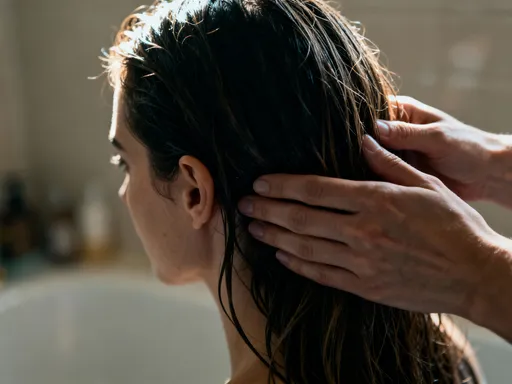
Integrating these practices into a daily routine was the final step. I didn’t aim for perfection—just consistency. My typical day now includes a five-minute breathing exercise in the morning, a short walk after lunch, and journaling before bed. I continue to avoid excessive mirror-checking and prioritize sleep by maintaining a regular bedtime. My hair care routine is gentle: sulfate-free shampoo, minimal heat styling, and regular scalp massages to encourage circulation.
What’s different now is the foundation. Instead of reacting to hair loss with fear and urgency, I approach it with patience and self-compassion. I understand that progress is gradual and that setbacks are part of the process. The most powerful change hasn’t been in the thickness of my hair—though that has improved—but in my relationship with myself. I no longer see hair as a measure of success or beauty. It’s simply one part of a larger picture of health.
Small, sustainable choices have proven more effective than extreme measures. I didn’t need a miracle cure—just a shift in perspective. By treating my mind as the starting point, I created the internal conditions for healing. This approach doesn’t promise instant results, but it delivers something more valuable: stability, resilience, and a deeper sense of well-being. Over time, my hair began to reflect that inner shift—stronger, fuller, and growing with less effort.
Healthy hair isn’t just about what you apply—it’s about how you feel. By treating your mind as the foundation, you create lasting conditions for regrowth and strength. This approach doesn’t promise miracles, but it delivers something better: balance, clarity, and hair that thrives because you’re finally at peace.